Charles Caleb Colton
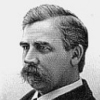
Charles Caleb Colton
Charles Caleb Coltonwas an English cleric, writer and collector, well known for his eccentricities...
NationalityEnglish
ProfessionWriter
greatness men mind
Great men, like comets, are eccentric in their courses, and formed to do extensive good by modes unintelligible to vulgar minds.
greatness deserving-it mind
Great minds had rather deserve contemporaneous applause without obtaining it, than obtain without deserving it. If it follow them it is well, but they will not deviate to follow it.
greatness men
In life we shall find many men that are great, and some that are good, but very few men that are both great and good.
mistake greatness ignorant
True goodness is not without that germ of greatness that can bear with patience the mistakes of the ignorant.
greatness men too-much
Speaking generally, no man appears great to his contemporaries, for the same reason that no man is great to his servants--both know too much of him.
humility greatness men
Some men who know that they are great are so very haughty withal and insufferable that their acquaintance discover their greatness only by the tax of humility which they are obliged to pay as the price of their friendship.
brave defies moral physical
Physical courage, which engages all danger, will make a person brave in one way; and moral courage, which defies all opinion, will make a person brave in another.
certainly english-writer stand three time virtue
He that is good, will infallibly become better, and he that is bad, will as certainly become worse; for vice, virtue and time are three things that never stand still.
duplicity english-writer full integrity simple trick
Nothing so completely baffles one who is full of trick and duplicity himself, than straightforward and simple integrity in another.
ability apply energies growing mental physical requisite success
The first requisite for success is the ability to apply your physical and mental energies to one problem incessantly without growing weary.
difference generally greatest happiest happiness himself thinks
There is this difference between happiness and wisdom: he that thinks himself the happiest man, really is so; but he that thinks himself the wisest, is generally the greatest fool.
dull influence authorship
There are both dull correctness and piquant carelessness; it is needless to say which will command the most readers and have the most influence.
winter age lapland
Cheerfulness ought to be the viaticum vitae of their life to the old; age without cheerfulness is a Lapland winter without a sun.
character half tongue
Living authors, therefore, are usually, bad companions. If they have not gained character, they seek to do so by methods often ridiculous, always disgusting; and if they have established a character, they are silent for fear of losing by their tongue what they have acquired by their pen--for many authors converse much more foolishly than Goldsmith, who have never written half so well.