Charles Caleb Colton
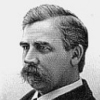
Charles Caleb Colton
Charles Caleb Coltonwas an English cleric, writer and collector, well known for his eccentricities...
NationalityEnglish
ProfessionWriter
writing should-have fire
We should have a glorious conflagration, if all who cannot put fire into their works would only consent to put their works into the fire.
communication men should-have
We should have all our communications with men, as in the presence of God; and with God, as in the presence of men.
currency should
Words indeed are but the signs and counters of knowledge, and their currency should be strictly regulated by the capital which they represent.
memories teaching should-have
All preceptors should have that kind of genius described by Tacitus, "equal to their business, but not above it;" a patient industry, with competent erudition; a mind depending more on its correctness than its originality, and on its memory rather than on its invention.
self order should
Self-love, in a well-regulated breast, is as the steward of the household, superintending the expenditure, and seeing that benevolence herself should be prudential, in order to be permanent, by providing that the reservoir which feeds should also be fed.
brave defies moral physical
Physical courage, which engages all danger, will make a person brave in one way; and moral courage, which defies all opinion, will make a person brave in another.
certainly english-writer stand three time virtue
He that is good, will infallibly become better, and he that is bad, will as certainly become worse; for vice, virtue and time are three things that never stand still.
duplicity english-writer full integrity simple trick
Nothing so completely baffles one who is full of trick and duplicity himself, than straightforward and simple integrity in another.
ability apply energies growing mental physical requisite success
The first requisite for success is the ability to apply your physical and mental energies to one problem incessantly without growing weary.
difference generally greatest happiest happiness himself thinks
There is this difference between happiness and wisdom: he that thinks himself the happiest man, really is so; but he that thinks himself the wisest, is generally the greatest fool.
dull influence authorship
There are both dull correctness and piquant carelessness; it is needless to say which will command the most readers and have the most influence.
winter age lapland
Cheerfulness ought to be the viaticum vitae of their life to the old; age without cheerfulness is a Lapland winter without a sun.
character half tongue
Living authors, therefore, are usually, bad companions. If they have not gained character, they seek to do so by methods often ridiculous, always disgusting; and if they have established a character, they are silent for fear of losing by their tongue what they have acquired by their pen--for many authors converse much more foolishly than Goldsmith, who have never written half so well.
law justice water
In civil jurisprudence it too often happens that there is so much law, that there is no room for justice, and that the claimant expires of wrong in the midst of right, as mariners die of thirst in the midst of water.