Francois de La Rochefoucauld
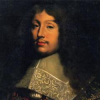
Francois de La Rochefoucauld
François VI, Duc de La Rochefoucauld, Prince de Marcillacla ʁɔʃfuˈko]; 15 September 1613 – 17 March 1680) was a noted French author of maxims and memoirs. It is said that his world-view was clear-eyed and urbane, and that he neither condemned human conduct nor sentimentally celebrated it. Born in Paris on the Rue des Petits Champs, at a time when the royal court was vacillating between aiding the nobility and threatening it, he was considered an exemplar of the accomplished 17th-century...
NationalityFrench
ProfessionWriter
Date of Birth15 September 1613
CountryFrance
To praise great actions is in some sense to share them.
We should often feel ashamed of our best actions if the world could see all the motives which produced them.
A certain harmony should be kept between actions and ideas if we want to fully develop the effects they can produce.
A man often imagines that he acts, when he is acted upon.
Our actions are like blank rhymes, to which everyone applies what sense he pleases.
What we take for virtue is often nothing but an assemblage of different actions, and of different interests, that fortune or our industry knows how to arrange.
Our actions are like the terminations of verses, which we rhyme as we please.
No matter how brilliant an action, it should not be considered great unless it was the result of a great motive.
Our actions seem to have their lucky and unlucky stars, to which a great part of that blame and that commendation is due which is given to the actions themselves.
However glorious an action in itself, it ought not to pass for great if it be not the effect of wisdom and intention.
It is praiseworthy even to attempt a great action.
To praise great actions with sincerity may be said to be taking part in them.
We confess our little faults to persuade people that we have no large ones.
We should often blush for our very best actions, if the world did but see all the motives upon which they were done.