Francois de La Rochefoucauld
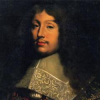
Francois de La Rochefoucauld
François VI, Duc de La Rochefoucauld, Prince de Marcillacla ʁɔʃfuˈko]; 15 September 1613 – 17 March 1680) was a noted French author of maxims and memoirs. It is said that his world-view was clear-eyed and urbane, and that he neither condemned human conduct nor sentimentally celebrated it. Born in Paris on the Rue des Petits Champs, at a time when the royal court was vacillating between aiding the nobility and threatening it, he was considered an exemplar of the accomplished 17th-century...
NationalityFrench
ProfessionWriter
Date of Birth15 September 1613
CountryFrance
We are more interested in making others believe we are happy than in trying to be happy ourselves.
Whatever distrust we may have of the sincerity of those who converse with us, we always believe they will tell us more truth than they do to others.
The most effectual way to be deceived is to believe oneself more cunning than one's neighbors.
When a man is in love, he doubts, very often, what he most firmly believes.
Narrowness of mind is often the cause of obstinacy; we do not easily believe beyond what we see.
Jealousy is in a manner just and reasonable, as it tends to preserve a good which belongs, or which we believe belongs to us, on the other hand envy is a fury which cannot endure the happiness of others.
However wicked men may be, they do not dare openly to appear the enemies of virtue, and when they desire to persecute her they either pretend to believe her false or attribute crimes to her.
However much we may distrust men's sincerity, we always believe they speak to us more sincerely than to others.
Many young persons believe themselves natural when they are only impolite and coarse.
To awaken a man who is deceived as to his own merit is to do him as bad a turn as that done to the Athenian madman who was happy in believing that all the ships touching at the port belonged to him.
A readiness to believe ill of others, before we have duly examined it, is the effect of laziness and pride. We are eager to find aculprit, and loath to give ourselves the trouble of examining the crime.
In all professions each affects a look and an exterior to appear what he wishes the world to believe that he is. Thus we may say that the whole world is made up of appearances.
Pride has a greater share than goodness in the reproofs we give other people for their faults; and we chide them not so much to make them mend those faults as to make them believe that we ourselves are without fault.
It is from a weakness and smallness of mind that men are opinionated; and we are very loath to believe what we are not able to comprehend.