Francois de La Rochefoucauld
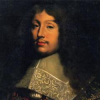
Francois de La Rochefoucauld
François VI, Duc de La Rochefoucauld, Prince de Marcillacla ʁɔʃfuˈko]; 15 September 1613 – 17 March 1680) was a noted French author of maxims and memoirs. It is said that his world-view was clear-eyed and urbane, and that he neither condemned human conduct nor sentimentally celebrated it. Born in Paris on the Rue des Petits Champs, at a time when the royal court was vacillating between aiding the nobility and threatening it, he was considered an exemplar of the accomplished 17th-century...
NationalityFrench
ProfessionWriter
Date of Birth15 September 1613
CountryFrance
Gracefulness is to the body what understanding is to the mind.
There are some people upon whom their very faults and failings sit gracefully; and there are others whose very excellencies and accomplishments do not become them.
The grace of novelty and the length of habit, though so very opposite to one another, yet agree in this, that they both alike keepus from discovering the faults of our friends.
We confess our little faults to persuade people that we have no large ones.
We should often blush for our very best actions, if the world did but see all the motives upon which they were done.
When we are in love we often doubt that which we most believe.
We often pardon those that annoy us, but we cannot pardon those we annoy.
How is it that we remember the least triviality that happens to us, and yet not remember how often we have recounted it to the same person?
The word virtue is as useful to self-interest as the vices.
A man is sometimes as different from himself as he is from others.
Old men are fond of giving good advice to console themselves for their inability to give bad examples.
We are strong enough to bear the misfortunes of others.
If we had no faults of our own, we should not take so much pleasure in noticing those in others.
Jealously is always born with love but it does not die with it.