Francois de La Rochefoucauld
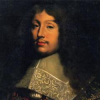
Francois de La Rochefoucauld
François VI, Duc de La Rochefoucauld, Prince de Marcillacla ʁɔʃfuˈko]; 15 September 1613 – 17 March 1680) was a noted French author of maxims and memoirs. It is said that his world-view was clear-eyed and urbane, and that he neither condemned human conduct nor sentimentally celebrated it. Born in Paris on the Rue des Petits Champs, at a time when the royal court was vacillating between aiding the nobility and threatening it, he was considered an exemplar of the accomplished 17th-century...
NationalityFrench
ProfessionWriter
Date of Birth15 September 1613
CountryFrance
There is a kind of elevation which does not depend on fortune; it is a certain air which distinguishes us, and seems to destine us for great things; it is a price which we imperceptibly set upon ourselves.
One kind of flirtation is to boast we never flirt.
We would frequently be ashamed of our good deeds if people saw all of the motives that produced them.
We should only affect compassion, and carefully avoid having any.
To boast that one never flirts is actually a kind of flirtation.
Too great haste to repay an obligation is a kind of ingratitude.
A great many men's gratitude is nothing but a secret desire to hook in more valuable kindnesses hereafter.
One kind of happiness is to know exactly at what point to be miserable.
That which occasions so many mistakes in the computations of men, when they expect return for favors, is that the giver's pride and the receiver's cannot agree upon the value of the kindness done.
When we enlarge upon the affection our friends have for us, this is very often not so much out of a sense of gratitude as from a desire to persuade people of our own great worth, that can deserve so much kindness.
Pity is a sense of our own misfortunes in those of another man; it is a sort of foresight of the disasters which may befall ourselves. We assist others,, in order that they may assist us on like occasions; so that the services we offer to the unfortunate are in reality so many anticipated kindnesses to ourselves.
There is a kind of love, the excess of which forbids jealousy.
If one judges love according to the greatest part of the effects it produces, it would appear to resemble rather hatred than kindness.
A man cannot please long who has only one kind of wit.