George Eliot
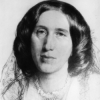
George Eliot
Mary Ann Evans, known by her pen name George Eliot, was an English novelist, poet, journalist, translator and one of the leading writers of the Victorian era. She is the author of seven novels, including Adam Bede, The Mill on the Floss, Silas Marner, Felix Holt, the Radical, Middlemarch, and Daniel Deronda, most of them set in provincial England and known for their realism and psychological insight...
NationalityBritish
ProfessionNovelist
Date of Birth22 November 1819
affections affliction against best confess danger defense delight experience gifts ideas joy laughed life living ought passionate perhaps personal sake share study surely sweet teaching though women
We women are always in danger of living too exclusively in the affections; and though our affections are perhaps the best gifts we have, we ought also to have our share of the more independent life -- some joy in things for their own sake. It is piteous to see the helplessness of some sweet women when their affections are disappointed -- because all their teaching has been, that they can only delight in study of any kind for the sake of a personal love. They have never contemplated an independent delight in ideas as an experience which they could confess without being laughed at. Yet surely women need this defense against passionate affliction even more than men.
accident beginning forty man mine reason roof sink though worked
A man will tell you that he has worked in a mine for forty years unhurt by an accident as a reason why he should apprehend no danger, though the roof is beginning to sink . . .
kindness home thoughtful
He was one of those men, and they are not the commonest, of whom we can know the best only by following them away from the marketplace, the platform, and the pulpit, entering with them into their own homes, hearing the voice with which they speak to the young and aged about their own hearthstone, and witnessing their thoughtful care for the everyday wants of everyday companions, who take all their kindness as a matter of course, and not as a subject for panegyric.
our-thoughts
Our thoughts are often worse than we are.
came casket consciousness dependence dull expectation faint heart help inevitably left locked prop sight slight stirring though treasure utterly
Formerly, his heart had been as a locked casket with its treasure inside; but now the casket was empty, and the lock was broken. Left groping in darkness, with his prop utterly gone, Silas had inevitably a sense, though a dull and half-despairing one, that if any help came to him it must come from without; and there was a slight stirring of expectation at the sight of his fellow-men, a faint consciousness of dependence on their goodwill.
apt curiously feeble grain mixed
We must not inquire too curiously into motives... They are apt to become feeble in the utterance: the aroma is mixed with the grosser air. We must keep the germinating grain away from the light.
easy finding folks patient reasons
It is easy finding reasons why other folks should be patient
becomes farewell glance kiss last love pang resembles sharpest
That farewell kiss which resembles greeting, that last glance of love which becomes the sharpest pang of sorrow.
break charm mortals ordinary organ rush seemed sound street whistling wind
Lohengrin' to us ordinary mortals seemed something like the whistling of the wind through the keyholes of a cathedral, which has a dreamy charm for a little while, but by and by you long for the sound even of a street organ to rush in and break the
inspirational motivational karma
Our deeds determine us, as much as we determine our deeds.
sympathy goodbye lonely
Only in the agony of parting do we look into the depths of love.
gives god tis violins
Tis God gives skill, but not without men's hand: He could not make Antonio Stradivarius's violins without Antonio
british-author foxes interest lives peace sincere
An election is coming. Universal peace is declared, and the foxes have a sincere interest in prolonging the lives of the poultry.
death
When death comes it is never our tenderness that we repent from, but our severity.