John Calvin
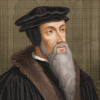
John Calvin
John Calvinwas an influential French theologian and pastor during the Protestant Reformation. He was a principal figure in the development of the system of Christian theology later called Calvinism, aspects of which include the doctrine of predestination and the absolute sovereignty of God in salvation of the human soul from death and eternal damnation. In these areas Calvin was influenced by the Augustinian tradition. Various Congregational, Reformed and Presbyterian churches, which look to Calvin as the chief expositor of their...
NationalityFrench
ProfessionTheologian
Date of Birth10 July 1509
CountryFrance
If people mean that man has in himself the power to work in partnership with God's grace they are most wretchedly deluding themselves.
Without knowledge of self there is no knowledge of God.
Seeing that a Pilot steers the ship in which we sail, who will never allow us to perish even in the midst of shipwrecks, there is no reason why our minds should be overwhelmed with fear and overcome with weariness.
Christ's intercession is the continual application of his death to our salvation.
Scripture is like a pair of spectacles which dispels the darkness and gives us a clear view of God.
If the gospel be not preached, Jesus Christ is, as it were, buried.
But a most pernicious error widely prevails that Scripture has only so much weight as is conceded to it by the consent of the church. As if the eternal and inviolable truth of God depended upon the decision of men!
We are promised abundance of all good things--yet we are rich only in hunger and thirst. What would become of us if we did not take our stand on hope, and if our heart did not hasten beyond this world!
Humility is the beginning of true intelligence.
Angels are the dispensers and administrators of the divine beneficence toward us.
But a faithful believer will in all circumstances mediate on the mercy and fatherly goodness of God.
Christians rejoice even while they truly sorrow - because their rejoicing is in the hope of heaven... While joy overcomes sorrow, it does not put an end to it.
There are sons of God who do not yet appear so to us, but now do so to God; and there are those who, on account of some arrogated or temporal grace, are called so by us, but are not so to God.
It is evident that man never attains to a true self-knowledge until he has previously contemplated the face of God, and come down after such contemplation to look into himself.