Michael Franti
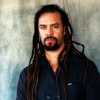
Michael Franti
Michael Frantiis an American rapper, musician, poet, spoken word artist and singer-songwriter. Michael Franti is known for having participated in many musical projects, including the Beatnigs and the Disposable Heroes of Hiphoprisy. He is the creator and lead vocalist of his current independent project, Michael Franti & Spearhead, a band that blends hip hop with a variety of other styles including funk, reggae, jazz, folk, and rock. He is also an outspoken supporter for a wide spectrum of peace and...
NationalityAmerican
ProfessionRapper
Date of Birth21 April 1966
CityOakland, CA
CountryUnited States of America
I took a trip in 2004, a year after the war started in Iraq. I played music on the streets of Baghdad for Iraqi civilians. I'd also play for U.S. soldiers at night when they were off duty in the bars. Then I would talk to people, and I would film them and ask them about their life and the conflict.
Star Wars is mythology. Its like Greek mythology or Shakespeare. Its the story of good versus evil over a very long span of time. The storytelling is universal and timeless.
Today we are in a war against war - music is our power.
Playing on the streets of Iraq, or in Israel or the Gaza strip, I'd sing angry protest songs against war. People would say, 'Make us clap, make us dance, and laugh and sing.' It really made me think about the importance of happy music.
Those who start wars never fight them, and those who fight wars never like them.
If the first casualty of war is innocence, then perhaps with each bullet fired, bomb detonated, leader overthrown, wall built, economy destroyed and family member killed, we are not creating goodwill and harmony, but rather another child who believes violence is the only means to bring about change in the world.
I think that fear comes about when there's things in the world that we want to change, things we're scared or angry about, and we can't change them, and so we become fearful; we develop anxiety.
Our country was founded on immigration. We are all occupying Native American land here. At what point do we say 'It's our land, and nobody else can come here.'
Recording in Jamaica is like nothing else. The studios are always closed in America. But in Jamaica, the studio doors are wide open, and there's music blasting out in the street. You can see the reaction of people immediately.
Jamaica's a country of great dichotomy. On the one hand you have a tourist industry with great beaches and resorts, but on the other you have such great poverty and the violence that goes along with that.
My music is part of the quest I have to find new ways of telling stories, and also, I want to inspire people.
My usual day is I get up around 11 o'clock and do yoga and then eat afterwards. Then I have sound check and play soccer and do running with the guys in the band after sound check, and then do the show and eat dinner after the show and usually get to bed around 3 o'clock by the time we get everybody on the bus and get rolling.
My mother birthed three children and she adopted myself and another African-American son. My adoptive parents were Finnish. I grew up in a white picket neighborhood.
My mother, she made sure all of us were treated the same and had the same opportunity to grow and develop, so that when we left the house, we could fly on our own. And she also knew when we got out into the world, we'd treat others that we came across with that same treatment and respect.