Philip Sidney
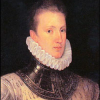
Philip Sidney
Sir Philip Sidneywas an English poet, courtier, scholar, and soldier, who is remembered as one of the most prominent figures of the Elizabethan age. His works include Astrophel and Stella, The Defence of Poesy, and The Countess of Pembroke's Arcadia...
NationalityEnglish
ProfessionPoet
Date of Birth30 November 1554
men faults virtue
Men are almost always cruel in their neighbors' faults; and make others' overthrow the badge of their own ill-masked virtue.
men virtue pedigree
I am no herald to inquire into men's pedigree; it sufficeth me if I know their virtues.
mind virtue hiding
In the clear mind of virtue treason can find no hiding-place.
virtue servant willing
We become willing servants to the good by the bonds their virtues lay upon us.
lovers virtue scorn
Those lovers scorn whom that love doth possess? Do they call virtue there ungratefulness?
heaven world virtue
As the love of the heavens makes us heavenly, the love of virtue virtuous, so doth the love of the world make one become worldly.
virtue
In the truly great, virtue governs with the sceptre of knowledge.
likes virtue ill
I willingly confess that it likes me better when I find virtue in a fair lodging than when I am bound to seek it in an ill-favored creature.
judging may clemency
Much more may a judge overweigh himself in cruelty than in clemency.
moon sky faces
With how sad steps, O moon, thou climb'st the skies! How silently, and with how wan a face!
giving soldier battle
As well the soldier dieth who standeth still as he that gives the bravest onset.
perfection wit knows
Our erected wit maketh us to know what perfection is.
bravery quiet
True bravery is quiet, undemonstrative.
heart yellow done
In forming a judgment, lay your hearts void of foretaken opinions; else, whatsoever is done or said, will be measured by a wrong rule; like them who have jaundice, to whom everything appears yellow.