Plautus
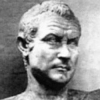
Plautus
Titus Maccius Plautus, commonly known as Plautus, was a Roman playwright of the Old Latin period. His comedies are the earliest Latin literary works to have survived in their entirety. He wrote Palliata comoedia, the genre devised by the innovator of Latin literature, Livius Andronicus. The word Plautine /ˈplɔːtaɪn/ refers to both Plautus's own works and works similar to or influenced by his...
NationalityRoman
ProfessionPlaywright
vex shame endure
We can more easily endure that which shames than that which vexes us.
hope good-things disappointed
For I know that many good things have happened to many, when least expected; and that many hopes have been disappointed.
years ability
Wisdom is not attained by years, but by ability
best
Keep what you have; the known evil is best.
political politics doe
A mouse does not rely on just one hole.
holes mice
A mouse never entrusts his life to only one hole.
soil filth ornaments
Bad conduct soils the finest ornament more than filth.
business men venture
The poor man who enters into a partnership with one who is rich makes a risky venture.
criticism compliment sincere
I much prefer a compliment, even if insincere, to sincere criticism.
done favour morality
It is customary these days to ignore what should be done in favour of what pleases us.
excess trouble middle
In everything the middle course is the best; everything in excess brings trouble.
fire flames smoke
Flame is very near to smoke.
guilt trifles esteem
I esteem death a trifle, if not caused by guilt.
house jam guests
No one can be so welcome a guest that he will not become an annoyance when he has stayed three continuous days in a friend's house. [Lat., Hospes nullus tam in amici hospitium diverti potest, Quin ubi triduum continuum fuerit jam odiosus siet.