Aeschylus
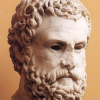
Aeschylus
Aeschyluswas an ancient Greek tragedian. His plays, alongside those of Sophocles and Euripides, are the only works of Classical Greek literature to have survived. He is often described as the father of tragedy: critics and scholars' knowledge of the genre begins with his work, and understanding of earlier tragedies is largely based on inferences from his surviving plays. According to Aristotle, he expanded the number of characters in theater to allow conflict among them, whereas characters previously had interacted only...
NationalityGreek
ProfessionPoet
death home men
A man dies not for the many wounds that pierce his breast, unless it be that life's end keep pace with death, nor by sitting on his hearth at home doth he the more escape his appointed doom.
death house path
For a single path leads to the house of Hades.
death men blood
But when once the earth has sucked up a dead man's blood, there is no way to raise him up.
death desire doe
Of all the gods only death does not desire gifts.
death literature tyranny
Death is softer by far than tyranny.
death war fields
The field of doom bears death as its harvest.
death pain dying
Pain lays not its touch upon a corpse.
happiness death men
Call no man happy till he is dead.
death hate men
Unjustly men hate death, which is the greatest defence against their many ills.
pain wall suffering
Oh, it is easy for the one who stands outside the prison-wall of pain to exhort and teach the one who suffers.
pain ends extremity
Take courage; pain's extremity soon ends.
pain memories rain
In visions of the night, like dropping rain, Descend the many memories of pain.
blood law cry
This is the law: blood spilt upon the ground cries out for more.
mother children nursing
The so-called mother of the child isn't the child's begetter, but only a sort of nursing soil for the new-sown seed. The man, the one on top, is the true parent, while she, a stranger, foster's a stranger's sprout.