Benjamin Franklin
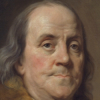
Benjamin Franklin
Benjamin Franklinwas one of the Founding Fathers of the United States. A renowned polymath, Franklin was a leading author, printer, political theorist, politician, freemason, postmaster, scientist, inventor, civic activist, statesman, and diplomat. As a scientist, he was a major figure in the American Enlightenment and the history of physics for his discoveries and theories regarding electricity. As an inventor, he is known for the lightning rod, bifocals, and the Franklin stove, among other inventions. He facilitated many civic organizations, including...
NationalityAmerican
ProfessionScientist
Date of Birth17 January 1706
CityBoston, MA
CountryUnited States of America
If you would know the value of money, go and try to borrow some.
All mankind is divided into three classes: those that are immovable, those that are movable, and those that move.
Repeal that [welfare] law, and you will soon see a change in their manners. ... Six days shalt thou labor, though one of the old commandments long treated as out of date, will again be looked upon as a respectable precept; industry will increase, and with it plenty among the lower people; their circumstances will mend, and more will be done for their happiness by inuring them to provide for themselves, than could be done by dividing all your estates among them.
When you are good to others, you are best to yourself.
To find out a girl's faults, praise her to her girlfriends.
I therefore beg leave to move that henceforth prayers imploring the assistance of Heaven, and its blessing on our deliberations, be held in this Assembly every morning...
Originality is the art of concealing your sources.
Never leave that till tomorrow which you can do today.
In wine there is wisdom, in beer there is Freedom, in water there is bacteria.
Lost time is never found again.
He that cannot obey, cannot command.
Those who beat their swords into plowshares usually end up plowing for those who kept their swords.
It is the first responsibility of every citizen to question authority.
I have lived, Sir, a long time and the longer I live, the more convincing proofs I see of this truth -- that God governs in the affairs of men. And if a sparrow cannot fall to the ground without his notice, is it probable that an empire can rise without his aid? We have been assured, Sir, in the sacred writings that "except the Lord build they labor in vain that build it." I firmly believe this; and I also believe that without his concurring aid we shall succeed in this political building no better than the Builders of Babel