Diogenes
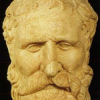
Diogenes
Diogenes of Sinopewas a Greek philosopher and one of the founders of Cynic philosophy. Also known as Diogenes the Cynic, he was born in Sinope, an Ionian colony on the Black Sea, in 412 or 404 BC and died at Corinth in 323 BC...
thieves littles saws
Once he saw the officials of a temple leading away some one who had stolen a bowl belonging to the treasurers, and said, "The great thieves are leading away the little thief.
worry littles fame
By worrying as little as possible about fame.
thieves littles crime
The great thieves lead away the little thief.
worry littles fame
On being asked by someone how he could become famous, Diogenes responded: 'By worrying as little as possible about fame
sunshine littles greetings
When Alexander the Great addressed him with greetings, and asked if he wanted anything, Diogenes replied "Yes, stand a little out of my sunshine .
men littles privilege
It is the privilege of the gods to want nothing, and of godlike men to want little.
people musical sound
People who talk well but do nothing are like musical intruments; the sound is all they have to offer.
mother motherhood tyrants
The mob is the mother of tyrants.
ignorance people hardship
The noblest people are those despising wealth , learning , pleasure and life ; esteeming above them poverty , ignorance , hardship and death .
sunshine giving may
I have nothing to ask but that you would remove to the other side, that you may not, by intercepting the sunshine, take from me what you cannot give.
law speech cobwebs
Solon used to say that speech was the image of actions; . . . that laws were like cobwebs, - for that if any trifling or powerless thing fell into them, they held it fast; while if it were something weightier, it broke through them and was off.
ego different boast
Boasting, like gilded armour, is very different inside from outside.
kings dine please
Aristotle dines when it seems good to King Philip, but Diogenes when he himself pleases.
boys men good-man
Being asked where in Greece he saw good men , he replied, "'Good men nowhere, but good boys at Sparta.