E. M. Forster
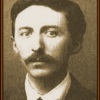
E. M. Forster
Edward Morgan Forster OM CHwas an English novelist, short story writer, essayist and librettist. He is known best for his ironic and well-plotted novels examining class difference and hypocrisy in early 20th-century British society. Forster's humanistic impulse toward understanding and sympathy may be aptly summed up in the epigraph to his 1910 novel Howards End: "Only connect ... ". His 1908 novel, A Room with a View, is his most optimistic work, while A Passage to Indiabrought him his greatest success. He was...
NationalityEnglish
ProfessionNovelist
Date of Birth1 January 1879
It was pleasant to wake up in Florence, to open the eyes upon a bright bare room, with a floor of red tiles which look clean though they are not; with a painted ceiling whereon pink griffins and blue amorini sport in a forest of yellow violins and bassoons. It was pleasant, too, to fling wide the windows, pinching the fingers in unfamiliar fastenings, to lean out into sunshine with beautiful hills and trees and marble churches opposite, and, close below, Arno, gurgling against the embankment of the road.
The present flowed by them like a stream. The tree rustled. It had made music before they were born, and would continue after their deaths, but its song was of the moment. The moment had passed. The tree rustled again. Their senses were sharpened, and they seemed to apprehend life. Life passed. The tree rustled again.
How can the mind take hold of such a country? Generations of invaders have tried, but they remain in exile. The important towns they build are only retreats, their quarrels the malaise of men who cannot find their way home. India knows of their trouble. She knows of the whole world's trouble, to its uttermost depth. She calls "Come" through her hundred mouths, through objects ridiculous and august. But come to what? She has never defined. She is not a promise, only an appeal.
I am a Jane Austenite, and therefore slightly imbecile about Jane Austen. My fatuous expression, and airs of personal immunity-how ill they sit on the face, say,of a Stevensonian! But Jane Austen is so different. She is my favourite author! I read and reread, the mouth open and the mind closed. Shut up in measureless content, I greet her by the name of most kind hostess, while criticism slumbers.
Nature pulls one way and human nature another.
I never could get on with representative individuals but people who existed on their own account and with whom it might therefore be possible to be friends.
Surely the only sound foundation for a civilization is a sound state of mind.
The English countryside, its growth and its destruction, is a genuine and tragic theme.
The final test for a novel will be our affection for it, as it is the test of our friends, and of anything else which we cannot define.
The more highly public life is organized the lower does its morality sink.
There is something majestic in the bad taste of Italy.
There lies at the back of every creed something terrible and hard for which the worshipper may one day be required to suffer.
Those who prepared for all the emergencies of life beforehand may equip themselves at the expense of joy.
We are not concerned with the very poor. They are unthinkable, and only to be approached by the statistician or the poet.