E. M. Forster
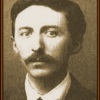
E. M. Forster
Edward Morgan Forster OM CHwas an English novelist, short story writer, essayist and librettist. He is known best for his ironic and well-plotted novels examining class difference and hypocrisy in early 20th-century British society. Forster's humanistic impulse toward understanding and sympathy may be aptly summed up in the epigraph to his 1910 novel Howards End: "Only connect ... ". His 1908 novel, A Room with a View, is his most optimistic work, while A Passage to Indiabrought him his greatest success. He was...
NationalityEnglish
ProfessionNovelist
Date of Birth1 January 1879
Lucy was suffering from the most grievous wrong which this world has yet discovered: diplomatic advantage had been taken of her sincerity, of her craving for sympathy and love. Such a wrong is not easily forgotten. Never again did she expose herself without due consideration and precaution against rebuff. And such a wrong may react disastrously upon the soul.
He educated Maurice, or rather his spirit educated Maurice's spirit, for they themselves became equal. Neither thought "Am I led; am I leading?" Love had caught him out of triviality and Maurice out of bewilderment in order that two imperfect souls might touch perfection.
Did you ever dream you had a friend, Alec? Someone to last your whole life and you his. I suppose such a thing can’t really happen outside sleep.
But it struck him that people are not really dead until they are felt to be dead. As long as there is some misunderstanding about them, they possess a sort of immortality.
You do care a little for me, I know... but nothing to speak of, and you don't love me. I was yours once till death if you'd cared to keep me, but I'm someone else's now... and he's mine in a way that shocks you, but why don't you stop being shocked, and attend to your own happiness.
All men are equal - all men, that is, who possess umbrellas.
George had turned at the sound of her arrival. For a moment he contemplated her, as one who had fallen out of heaven. He saw radiant joy in her face, he saw the flowers beat against her dress in blue waves. The bushes above them closed. He stepped quickly forward and kissed her. Before she could speak, almost before she could feel, a voice called 'Lucy! Lucy! Lucy!' The silence of life had been broken by Miss Bartlett, who stood brown against the view.
As her time in Florence drew to a close she was only at ease amongst those to whom she felt indifferent.
But this time I'm not to blame; I want you to believe that. I simply slipped into those violets. No, I want to be really truthful. I am a little to blame. The sky, you know, was gold, and the ground all blue, and for a moment he looked like some one in a book.
Why can't we be friends now?" said the other, holding him affectionately. "It's what I want. It's what you want." But the horses didn't want it — they swerved apart: the earth didn't want it, sending up rocks through which riders must pass single file; the temple, the tank, the jail, the palace, the birds, the carrion, the Guest House, that came into view as they emerged from the gap and saw Mau beneath: they didn't want it, they said in their hundred voices "No, not yet," and the sky said "No, not there.
When we were only acquaintances, you let me be myself, but now you're always protecting me... I won't be protected. I will choose for myself what is ladylike and right. To shield me is an insult. Can't I be trusted to face the truth but I must get it second-hand through you? A woman's place!
Sometimes I think too much fuss is made about marriage. Century after century of carnal embracement and we're still no nearer to understanding one another.
Man has to pick up the use of his functions as he goes along- especially the function of Love.
I only wish the poets would say this too: love is of the body; not the body, but of the the body. Ah! the misery that would be saved if we confessed that! Ah! for a little directness to liberate the soul!