Edward Albee
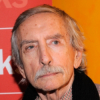
Edward Albee
Edward Franklin Albee IIIis an American playwright known for works such as The Zoo Story, The Sandbox, and Who's Afraid of Virginia Woolf?. His works are often considered as well-crafted, realistic examinations of the modern condition. His early works reflect a mastery and Americanization of the Theatre of the Absurd that found its peak in works by European playwrights such as Samuel Beckett, Eugène Ionesco, and Jean Genet. Younger American playwrights, such as Paula Vogel, credit Albee's daring mix of...
NationalityAmerican
ProfessionPlaywright
Date of Birth12 March 1928
CountryUnited States of America
One has always got to be terribly careful, since the theater is made up of a whole bunch of prima donnas, not to let the distortions occur.
The condition of the theater is always an accurate measure of the cultural health of a nation. A play always exists in the present tense (if it is a valuable one), and its music -- its special noise -- is always contemporary. The most valuable function of the theater as an art form is to tell us who we are, and the health of the theater is determined by how much of that we want to know.
School curricula that ignore the arts produce highly educated Barbarians
I find that when my plays are going well, they seem to resemble pieces of music. But if I had to go into specifics about it, I wouldn't be able to. It's merely something that I feel.
Sometimes it's necessary to go a long distance out of the way in order to come back a short distance correctly.
It is not enough to hold the line against the dark. It is your responsibility to lead into the light. People don't like the light--it reveals too much. But hand in hand with the creative artist, you can lead people into the wisdom that is known to all other animals: simply, that it is the dark we have to fear.
You're alive only once, as far as we know, and what could be worse than getting to the end of your life and realizing you hadn't lived it?
I suspect that the theme, the nature of the characters, and the method of getting from the beginning of the play to the end is already established in the unconscious.
I think we should all live on the precipe of life, as fully and as dangerously as possible. Everyone should make the assumption that they're going through life only once. Tomorrow we die. Why not take chances, extend yourself? How awful it is when a person comes to the end of life full of regret.
If you're willing to fail interestingly, you tend to succeed interestingly.
The arts are the only things that separate us from the other animals. The arts are not decorative. ... They are essential to our comprehension of consciousness and ourselves.
It's hard to explain, or even remember, it now. All four of them were down there underwater, but it's too complicated to go into. I thought it was better just to eliminate it. If it had been necessary, I wouldn't have been able to cut it so easily. It still exists. It's probably in The Theatre Collection of The New York Public Library, but it can't be performed.
The ultimate judgment of a work of art, whether it be a masterpiece or a lesser event, must be solely in terms of its artistic success and not on Freudian guesswork.
Sometimes a person has to go a very long distance out of his way to come back a short distance correctly.