Epictetus
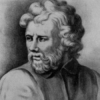
Epictetus
Epictetuswas a Greek-speaking Stoic philosopher. He was born a slave at Hierapolis, Phrygia, and lived in Rome until his banishment, when he went to Nicopolis in north-western Greece for the rest of his life. His teachings were written down and published by his pupil Arrian in his Discourses and Enchiridion...
NationalityGreek
ProfessionPhilosopher
power suffering trying
Suffering arises from trying to control what is uncontrollable, or from neglecting what is within our power.
simple consistency ifs
It's so simple really: If you say you're going to do something, do it. If you start something, finish it.
lunch dying hours
I have to die. If it is now, well then I die now; if later, then now I will take my lunch, since the hour for lunch has arrived - and dying I will tend to later.
effectiveness understanding fundamentals
Happiness and freedom begin with a clear understanding of one principle: Some things are within our control, and some things are not. It is only after you have faced up to this fundamental rule and learned to distinguish between what you can and can't control that inner tranquility and outer effectiveness become possible.
anger emotional masters
Any person capable of angering you becomes your master.
forgiveness spiritual anger
When you are offended at any man's fault, turn to yourself and study your own failings. Then you will forget your anger.
inspirational change inspiring
It is impossible for a man to learn what he thinks he already knows.
vices speak accusation
If someone speaks badly of you, do not defend yourself against the accusations, but reply; "you obviously don't know about my other vices, otherwise you would have mentioned these as well
answer bear bunch created desire grapes great greek-philosopher
Nothing great is created suddenly, any more than a bunch of grapes or a fig. If you tell me that you desire a fig. I answer you that there must be time. Let it first blossom, then bear fruit, then ripen.
action constant materials
The materials of action are variable, but the use we make of them should be constant
self blame ill
It is the part of an uneducated person to blame others where he himself fares ill; to blame himself is the part of one whose education has begun; to blame neither another nor his own self is the part of one whose education is already complete.
two evil principles
Two principles we should always have ready — that there is nothing good or evil save in the will; and that we are not to lead events, but to follow them.
men blame instruction
It is the act of an ill-instructed man to blame others for his own bad condition; it is the act of one who has begun to be instructed, to lay the blame on himself; and of one whose instruction is completed, neither to blame another, nor himself.
men ideas blame
Men are not worried by things, but by their ideas about things. When we meet with difficulties, become anxious or troubled, let us not blame others, but rather ourselves. That is: our ideas about things.