Francois de La Rochefoucauld
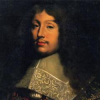
Francois de La Rochefoucauld
François VI, Duc de La Rochefoucauld, Prince de Marcillacla ʁɔʃfuˈko]; 15 September 1613 – 17 March 1680) was a noted French author of maxims and memoirs. It is said that his world-view was clear-eyed and urbane, and that he neither condemned human conduct nor sentimentally celebrated it. Born in Paris on the Rue des Petits Champs, at a time when the royal court was vacillating between aiding the nobility and threatening it, he was considered an exemplar of the accomplished 17th-century...
NationalityFrench
ProfessionWriter
Date of Birth15 September 1613
CountryFrance
Sobriety is concern for one's health - or limited capacity.
Spiritual health is no more stable than bodily; and though we may seem unaffected by the passions we are just as liable to be carried away by them as to fall ill when in good health.
Strength and weakness of mind are misnomers; they are really nothing but the good or bad health of our bodily organs.
The sicknesses of the soul have their ups and downs like those of the body; what we take to be a cure is most often merely a respite or change of disease.
In every walk of life each man puts on a personality and outward appearance so as to look what he wants to be thought; in fact you might say that society is entirely made up of assumed personalities.
No fools are so difficult to manage as those with some brains.
The violence we do to ourselves in order to remain faithful to the one we love is hardly better than an act of infidelity.
We should scarcely desire things ardently if we were perfectly acquainted with what we desire.
It takes more strength of character to withstand good fortune than bad.
Coquetry is the essential characteristic, and the prevalent humor of women; but they do not all practice it, because the coquetry of some is restrained by fear or by reason.
Ridicule dishonors a man more than dishonor does.
Nothing hinders a thing from being natural so much as the straining ourselves to make it seem so.
All the passions are nothing else than different degrees of heat and cold of the blood.
There is scarcely any man sufficiently clever to appreciate all the evil he does.