Francois de La Rochefoucauld
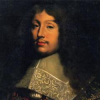
Francois de La Rochefoucauld
François VI, Duc de La Rochefoucauld, Prince de Marcillacla ʁɔʃfuˈko]; 15 September 1613 – 17 March 1680) was a noted French author of maxims and memoirs. It is said that his world-view was clear-eyed and urbane, and that he neither condemned human conduct nor sentimentally celebrated it. Born in Paris on the Rue des Petits Champs, at a time when the royal court was vacillating between aiding the nobility and threatening it, he was considered an exemplar of the accomplished 17th-century...
NationalityFrench
ProfessionWriter
Date of Birth15 September 1613
CountryFrance
The health of the soul is as precarious as that of the body; for when we seem secure from passions, we are no less in danger of their infection than we are of falling ill when we appear to be well.
A man is ridiculous less through the characteristics he has than through those he affects to have.
Our enemies' opinion of us comes closer to the truth than our own.
A man would rather say evil of himself than say nothing.
Narrowness of mind is often the cause of obstinacy; we do not easily believe beyond what we see.
The constancy of sages is nothing but the art of locking up their agitation in their hearts.
Most men expose themselves in battle enough to save their honor, few wish to do so more than sufficiently, or than is necessary to make the design for which they expose themselves succeed.
We often bore others when we think we cannot possibly bore them.
Unfaithfulness ought to extinguish love, and we should not be jealous when there is reason to be. Only those who give no grounds for jealousy are worthy of it.
The reason that lovers never weary each other is because they are always talking about themselves.
Self-interest speaks all manner of tongues and plays all manner of parts, even that of disinterestedness.
A man's wits are better employed in bearing up under the misfortunes that lie upon him at present than in foreseeing those that may come upon him hereafter.
There are many predicaments in life that one must be a bit crazy to escape from.
Nothing is more contagious than example, and no man does any exceeding good or exceeding ill but it spawns new deeds of the same kind. The good we imitate through emulation, the ill through the malignity of our nature, which shame keeps locked up, but example sets free.