Francois de La Rochefoucauld
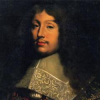
Francois de La Rochefoucauld
François VI, Duc de La Rochefoucauld, Prince de Marcillacla ʁɔʃfuˈko]; 15 September 1613 – 17 March 1680) was a noted French author of maxims and memoirs. It is said that his world-view was clear-eyed and urbane, and that he neither condemned human conduct nor sentimentally celebrated it. Born in Paris on the Rue des Petits Champs, at a time when the royal court was vacillating between aiding the nobility and threatening it, he was considered an exemplar of the accomplished 17th-century...
NationalityFrench
ProfessionWriter
Date of Birth15 September 1613
CountryFrance
Never give anyone the advice to buy or sell shares, because the most benevolent price of advice can turn out badly.
Love has its name borrowed by a great number of dealings and affairs that are attributed to it--in which it has no greater part than the Doge in what is done at Venice.
For the credit of virtue we must admit that the greatest misfortunes of men are those into which they fall through their crimes.
In love deceit almost always outstrips distrust.
We should not judge a man's merits by his great qualities, but by the use he makes of them.
Love is one and the same in the original; but there are a thousand different copies of it.
The passions are the only orators that always persuade: they are, as it were, a natural art, the rules of which are infallible; and the simplest man with passion is more persuasive than the most eloquent without it.
To listen closely and reply well is the highest perfection we are able to attain in the art of conversation.
Moderation is a fear of falling into that envy and contempt which those who grow giddy with their good fortune quite justly draw upon themselves. It is a vain boasting of the greatness of our mind.
Some men are so full of themselves that when they fall in love, they amuse themselves rather with their own passion than with theperson they love.
We are never so easily deceived as when we imagine we are deceiving others.
We think very few people sensible, except those who are of our opinion.
However wicked men may be, they do not dare openly to appear the enemies of virtue, and when they desire to persecute her they either pretend to believe her false or attribute crimes to her.
The extreme pleasure we take in speaking of ourselves should make us apprehensive that it gives hardly any to those who listen to us.