Francois de La Rochefoucauld
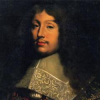
Francois de La Rochefoucauld
François VI, Duc de La Rochefoucauld, Prince de Marcillacla ʁɔʃfuˈko]; 15 September 1613 – 17 March 1680) was a noted French author of maxims and memoirs. It is said that his world-view was clear-eyed and urbane, and that he neither condemned human conduct nor sentimentally celebrated it. Born in Paris on the Rue des Petits Champs, at a time when the royal court was vacillating between aiding the nobility and threatening it, he was considered an exemplar of the accomplished 17th-century...
NationalityFrench
ProfessionWriter
Date of Birth15 September 1613
CountryFrance
As we grow older, we increase in folly--and in wisdom.
We give advice, but we cannot give the wisdom to profit by it.
As it is the characteristic of great wits to say much in few words, so small wits seem to have the gift of speaking much and saying nothing.
Silence is the best security to the man who distrusts himself.
There are bad people who would be less dangerous if they were quite devoid of goodness.
Everyone takes pleasure in returning small obligations, many people acknowledge moderate ones; but there are only a scarce few who do not pay great ones with ingratitude.
We are easily comforted for the misfortunes of our friends, when those misfortunes give us an occasion of expressing our affection and solicitude.
Moderation in people who are contented comes from that calm that good fortune lends to their spirit.
We give advice, we do not inspire conduct.
However much we may distrust men's sincerity, we always believe they speak to us more sincerely than to others.
Our wisdom is no less at fortune's mercy than our wealth.
The moderation of men in the most exalted fortunes is a desire to be thought above those things that have raised them so high.
Even the most disinterested love is, after all, but a kind of bargain, in which self-love always proposes to be the gainer one wayor another.
The moderation of fortunate people comes from the calm which good fortune gives to their tempers.