Frank Herbert
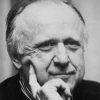
Frank Herbert
Frank Patrick Herbert, Jr.was an American science fiction writer best known for the novel Dune and its five sequels. Though he became famous for science fiction, he was also a newspaper journalist, photographer, short story writer, book reviewer, ecological consultant and lecturer...
NationalityAmerican
ProfessionNovelist
Date of Birth8 October 1920
CityTacoma, WA
CountryUnited States of America
purpose argument thrive
The purpose of argument is to change the nature of truth.
substitutes
Education is no substitute for intelligence.
spices sci-fi science-fiction
He who controls the spice controls the universe.
believe men way
When religion and politics travel in the same cart, the riders believe nothing can stand in their way. Their movements become headlong - faster and faster and faster. They put aside all thoughts of obstacles and forget the precipice does not show itself to the man in a blind rush until it's to late.
teaching ease failing
Proper teaching is recognized with ease. You can know it without fail because it awakens within you that sensation which tells you this is something you have always known.
over-it absolutes
The power to destroy a thing is the absolute control over it.
feelings guilt thrive
Guilt starts as a feeling of failure.
self purpose use
Most lives are a flight from selfhood. Most prefer the truths of the stable. You stick your head into the stanchions and munch contentedly until you die. Others use you for their purposes. Not once do you look outside the stable to lift your head and be your own creature.
grants universe
You do not take from this universe. It grants you what it will.
hate princess hatred
What do you despise? By this are you truly known.
want should company
You should never be in the company of anyone with whom you would not want to die.
errors assumption arise
Most deadly errors arise from obsolete assumptions.
adversity sacred moments
To stand alone against all adversity is the most sacred moment of existence.
believe true-or-false assumption
If you believe certain words, you believe their hidden arguments. When you believe something is right or wrong, true or false, you believe the assumptions in the words which express the arguments. Such assumptions are often full of holes, but remain most precious to the convinced.