Horace
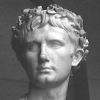
Horace
Quintus Horatius Flaccus, known in the English-speaking world as Horace, was the leading Roman lyric poet during the time of Augustus. The rhetorician Quintilian regarded his Odes as just about the only Latin lyrics worth reading: "He can be lofty sometimes, yet he is also full of charm and grace, versatile in his figures, and felicitously daring in his choice of words."...
NationalityRoman
ProfessionPoet
discover greek-poet passed returns road strange travel
Strange - is it not? That of the myriads who Before us passed the door of Darkness through, Not one returns to tell us of the road Which to discover we must travel too.
travel happy-life sea
They change their sky, not their mind, who cross the sea. A busy idleness possesses us: we seek a happy life, with ships and carriages: the object of our search is present with us.
running travel sea
They change their skies, but not their souls who run across the sea.
across change rush travel-and-tourism
They change their climate, not their soul, who rush across the sea.
asking count everyday fortune grants happen refrain
Refrain from asking what is going to happen tomorrow, and everyday that fortune grants you, count as gain.
struggle
I struggle to be brief, and I become obscure.
fathers though
Though guiltless, you must expiate your fathers' sins.
approval greek-poet pleasant
He gains everyone's approval who mixes the pleasant with the useful.
disgrace greek-poet keeps
The disgrace of others often keeps tender minds from vice.
greek-poet
He has the deed half done who has made a beginning.
greek-poet man
The man is either mad, or he is making verses.
greek-poet struggle
It is when I struggle to be brief that I become obscure.
fear great greek-poet man pleasant seems tried
To have a great man for a friend seems pleasant to those who have never tried it; those who have, fear it.
greek-poet time
I never think at all when I write. Nobody can do two things at the same time and do them both well.