John Calvin
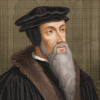
John Calvin
John Calvinwas an influential French theologian and pastor during the Protestant Reformation. He was a principal figure in the development of the system of Christian theology later called Calvinism, aspects of which include the doctrine of predestination and the absolute sovereignty of God in salvation of the human soul from death and eternal damnation. In these areas Calvin was influenced by the Augustinian tradition. Various Congregational, Reformed and Presbyterian churches, which look to Calvin as the chief expositor of their...
NationalityFrench
ProfessionTheologian
Date of Birth10 July 1509
CountryFrance
When a certain shameless fellow mockingly asked a pious old man what God had done before the creation of the world the latter aptly countered that he had been building hell for the curious.
Accursed is that peace of which revolt from God is the bond, and blessed are those contentions by which it is necessary to maintain the kingdom of Christ.
The more closely we see ourselves being watched by our enemies, the more time intent we should be to avoid their slanders.
If God contains the fullness of all good things in Himself like an inexhaustible fountain, nothing beyond Him is to be sought by those who strike after the highest good and all the elements of happiness.
For even if the Word in His immeasurable essence united with the nature of man into one person, we do not imagine that He was confined therein. Here is something marvellous: the Son of God descended from heaven in such a way that, without leaving heaven, He willed to be borne in the virgin's womb, to go about the earth, and to hang upon the cross; yet He continuously filled the world even as He had done from the beginning.
Were the judgments of mankind correct, custom would be regulated by the good. But it is often far otherwise in point of fact; for, whatever the many are seen to do, forthwith obtains the force of custom. But human affairs have scarcely ever been so happily constituted as that the better course pleased the greater number. Hence the private vices of the multitude have generally resulted in public error, or rather that common consent in vice which these worthy men would have to be law.
Our true wisdom is to embrace with meek docility, and without reservation, whatever the holy scriptures have delivered.
There is no group or type of people anywhere in the world that is excluded from salvation, because God desires that the gospel be proclaimed to all without exception.
To know God as the sovereign disposer of all good, inviting us to present our requests, and yet not to approach or ask of him, were so far from availing us, that it were just as if one told of a treasure were to allow it to remain buried in the ground.
... let everyone regard himself as the steward of God in all things which he possesses.
Assuredly there is but one way in which to achieve what is not merely difficult but utterly against human nature: to love those who hate us, to repay their evil deeds with benefits, to return blessings for reproaches. It is that we remember not to consider men's evil intention but to look upon the image of God in them, which cancels and effaces their transgressions, and with its beauty and dignity allures us to love and embrace them.
All men were created to busy themselves with the labor for the common good.
Mingled vanity and pride appear in this, that when miserable men do seek after God, instead of ascending higher than themselves as they ought to do, they measure him by their own carnal stupidity, and neglecting solid inquiry, fly off to indulge their curiosity in vain speculation.
The surest source of destruction to men is to obey themselves.