John Calvin
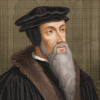
John Calvin
John Calvinwas an influential French theologian and pastor during the Protestant Reformation. He was a principal figure in the development of the system of Christian theology later called Calvinism, aspects of which include the doctrine of predestination and the absolute sovereignty of God in salvation of the human soul from death and eternal damnation. In these areas Calvin was influenced by the Augustinian tradition. Various Congregational, Reformed and Presbyterian churches, which look to Calvin as the chief expositor of their...
NationalityFrench
ProfessionTheologian
Date of Birth10 July 1509
CountryFrance
The human heart has so many crannies where vanity hides, so many holes where falsehood works, is so decked out with deceiving hypocrisy, that it often dupes itself.
We shall never be fit for the service of God, if we look not beyond this fleeting life.
Doctrine is not an affair of the tongue but of the life.
There is no worse screen to block out the Spirit than confidence in our own intelligence.
We should never insult others on account of their faults, for it is our duty to show charity and respect to everyone.
To be Christians under the law of grace does not mean to wander unbridled outside the law, but to be engrafted in Christ, by whose grace we are free from the curse of the law, and by whose Spirit we have the law engraved upon our hearts.
The whole world is a theatre for the display of the divine goodness, wisdom, justice, and power, but the Church is the orchestra, as it were—the most conspicuous part of it; and the nearer the approaches are that God makes to us, the more intimate and condescending the communication of his benefits, the more attentively are we called to consider them.
There is nothing in afflictions which ought to disturb our joy.
Faith alone saves, but the faith that saves is not alone.
We are nowhere forbidden to laugh.
Wherefore all theology, when separated from Christ, is not only vain and confused, but is also mad, deceitful, and spurious; for, though the philosophers sometimes utter excellent sayings, yet they have nothing but what is short-lived, and even mixed up with wicked and erroneous sentiments.
No one can travel so far that he does not make some progess each day. So let us never give up. Then we shall move forward daily in the Lord's way. And let us never despair because of our limited success. Even though it is so much less than we would like, our labour is not wasted when today is better than yesterday!
If God does nothing random, there must always be something to learn.
Then let every one of us, being warned by this sentence of the angel, acknowledge that he as yet cleaves to first principles, or, at least, does not comprehend all those things which are necessary to be known; and that therefore progress is to be made to the very end of life: for this is our wisdom, to be learners to the end.