John Lancaster Spalding
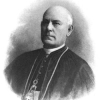
John Lancaster Spalding
John Lancaster Spaldingwas an American author, poet, advocate for higher education, the first bishop of the Roman Catholic Diocese of Peoria from 1877 to 1908 and a co-founder of The Catholic University of America...
NationalityAmerican
ProfessionAuthor
Date of Birth2 June 1840
CountryUnited States of America
prejudice accepting being-true
Though what we accept be true, it is a prejudice unless we ourselves have considered and understood why and how it is true.
way turns right-way
It is unpleasant to turn back, though it be to take the right way.
color space mind
The world is chiefly a mental fact. From mind it receives the forms of time and space, the principle of casuality[sic], color, warmth, and beauty. Were there no mind, there would be no world.
school caring knowing
He who leaves school, knowing little, but with a longing for knowledge, will go farther than one who quits, knowing many things, but not caring to learn more.
ignorance innocence virtue
The innocence which is simply ignorance is not virtue.
littles given chiefs
Where it is the chief aim to teach many things, little education is given or received.
purpose and-love compulsion
In education, as in religion and love, compulsion thwarts the purpose for which it is employed.
dull failing vain
If we fail to interest, whether because we are dull and heavy, or because our hearers are so, we teach in vain.
children trifles
They whom trifles distract and nothing occupies are but children.
errors causes common
It is a common error to imagine that to be stirring and voluble in a worthy cause is to be good and to do good.
bears witness false-witness
When one sense has been bribed the others readily bear false witness.
thinking flow form
What we think out for ourselves forms channels in which other thoughts will flow.
remember tire thee
If thy friends tire of thee, remember that it is human to tire of everything.
book men years
A principal aim of education is to give students a taste for literature, for the books of life and power, and to accomplish this, it is necessary that their minds be held aloof from the babblement and discussions of the hour, that they may accustom themselves to take interest in the words and deeds of the greatest men, and so make themselves able and worthy to shape a larger and nobler future; but if their hours of leisure are spent over journals and reviews, they will, in later years, become the helpless victims of the newspaper habit.