John Milton
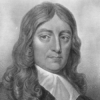
John Milton
John Miltonwas an English poet, polemicist, and man of letters, and a civil servant for the Commonwealth of England under Oliver Cromwell. He wrote at a time of religious flux and political upheaval, and is best known for his epic poem Paradise Lost, written in blank verse...
NationalityEnglish
ProfessionPoet
Date of Birth9 December 1608
son paradise able
But say That death be not one stroke, as I supposed, Bereaving sense, but endless misery From this day onward, which I feel begun Both in me, and without me, and so last To perpetuity; ay me, that fear Comes thund'ring back with dreadful revolution On my defenceless head; both Death and I Am found eternal, and incorporate both, Nor I on my part single, in me all Paradise Lost Posterity stands cursed: fair patrimony That I must leave ye, sons; O were I able To waste it all myself, and leave ye none!
self earth centre
And the earth self-balanced on her centre hung.
weed sea dank
Have hung My dank and dropping weeds To the stern god of sea.
wells
All seemed well pleased, all seemed, but were not all.
morning hands light
Morn, Wak'd by the circling hours, with rosy hand Unbarr'd the gates of light.
house temples towers
The great Emathian conqueror bid spare The house of Pindarus, when temple and tower Went to the ground.
hypocrite mysterious innocence
Nor turned I ween Adam from his fair spouse, nor Eve the rites Mysterious of connubial love refused: Whatever hypocrites austerely talk Of purity and place and innocence, Defaming as impure what God declares Pure, and commands to some, leaves free to all.
garden two joy
Our two first parents, yet the only two Of mankind, in the happy garden placed, Reaping immortal fruits of joy and love, Uninterrupted joy, unrivalled love In blissful solitude.
evil promise followers
That virtue therefore which is but a youngling in the contemplation of evil, and knows not the utmost that vice promises to her followers, and rejects it, is but a blank virtue, not a pure; her whiteness is but an excremental whiteness.
eye rivers clouds
Straight mine eye hath caught new pleasures Whilst the landscape round it measures, Russet lawns and fallows grey, Where the nibbling flocks do stray, Mountains on whose barren breast The labouring clouds do often rest; Meadows trim with daisies pied, Shallow brooks, and rivers wide.
light sight flames
A dungeon horrible, on all sides round, As one great furnace, flamed; yet from those flames No light, but rather darkness visible Serv'd only to discover sights of woe, Regions of sorrow, doleful shades, where peace And rest can never dwell, hope never comes That comes to all; but torture without end.
opportunity danger
Danger will wink on opportunity.
eye sleep water
Hide me from day's garish eye, While the bee with honied thigh, That at her flowery work doth sing, And the waters murmuring With such consort as they keep, Entice the dewy-feathered sleep.
sight caves shapes
Hence, loathèd Melancholy, Of Cerberus and blackest Midnight born, In Stygian cave forlorn, 'Mongst horrid shapes, and shrieks, and sights unholy.