Joseph Butler
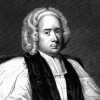
Joseph Butler
Joseph Butlerwas an English bishop, theologian, apologist, and philosopher. He was born in Wantage in the English county of Berkshire. He is known, among other things, for his critique of Deism, Thomas Hobbes's egoism, and John Locke's theory of personal identity. Butler influenced many philosophers and religious thinkers, including David Hume, Thomas Reid, Adam Smith, Henry Sidgwick, John Henry Newman, and C. D. Broad, and is widely considered "as one of the preeminent English moralists."...
NationalityEnglish
ProfessionClergyman
Date of Birth18 May 1692
That which is the foundation of all our hopes and of all our fears; all our hopes and fears which are of any consideration; I mean a Future Life.
Both our senses and our passions are a supply to the imperfection of our nature; thus they show that we are such sort of creatures as to stand in need of those helps which higher orders of creatures do not.
Every man hath a general desire of his own happiness; and likewise a variety of particular affections, passions, and appetites to particular external objects.
The tongue may be employed about, and made to serve all the purposes of vice, in tempting and deceiving, in perjury and injustice.
People might love themselves with the most entire and unbounded affection, and yet be extremely miserable.
Happiness or satisfaction consists only in the enjoyment of those objects which are by nature suited to our several particular appetites, passions, and affections.
But to us, probability is the very guide of life.
The private interest of the individual would not be sufficiently provided for by reasonable and cool self-love alone; therefore the appetites and passions are placed within as a guard and further security, without which it would not be taken due care of.
Every thing is what it is, and not another thing.
Virtue, as such, naturally procures considerable advantages to the virtuous.
Compassion is a call, a demand of nature, to relieve the unhappy as hunger is a natural call for food
Things and actions are what they are, and the consequences of them will be what they will be: why then should we desire to be deceived?
Every man is to be considered in two capacities, the private and public; as designed to pursue his own interest, and likewise to contribute to the good of others.
Virtue is not to be considered in the light of mere innocence, or abstaining from harm; but as the exertion of our faculties in doing good.