Lajos Kossuth
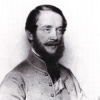
Lajos Kossuth
Lajos Kossuth de Udvard et Kossuthfalvawas a Hungarian lawyer, journalist, politician and Governor-President of the Kingdom of Hungary during the revolution of 1848–49. With the help of his talent in oratory in political debates and public speeches, Kossuth emerged from a poor gentry family into regent-president of Kingdom of Hungary. As the most influential contemporary American journalist Horace Greeley said of Kossuth: “Among the orators, patriots, statesmen, exiles, he has, living or dead, no superior.” Kossuth's powerful English and American...
NationalityHungarian
ProfessionLawyer
Date of Birth19 September 1802
Yet my humble capacity has not preserved me from calumnies.
You must be a power on earth, and must therefore accept all the consequences of this position.
It is the surmounting of difficulties that makes heroes.
I have to thank the People, the Congress, and the Government of the United States for my liberation.
I can understand Communism, but not Socialism.
The cause of freedom is identified with the destinies of humanity, and in whatever part of the world it gains ground by and by, it will be a common gain to all those who desire it.
Judgment of the people is often wiser than the wisest men.
Hungary is, in a word, in a state of WAR against the Hapsburg dynasty, a war of legitimate defence, by which alone it can ever regain independence and freedom.
I believe that the confidence of Hungary in me is not shaken by misfortune nor broken by my calumniators.
Now that I am a deputy, I will cease to be an agitator.
And if you cannot remain indifferent, you must resolve to throw your weight into that balance in which the fate and condition of man is weighed.
Humility is the part of wisdom, and is most becoming in men. But let no one discourage self-reliance; it is, of all the rest, the greatest quality of true manliness.
The time draws near, when a radical change must take place for the whole world in the management of diplomacy.
Even in political considerations, now-a-days, you have stronger motives to feel interested in the fate of Europe than in the fate of the Central or Southern parts of America.