Lord Acton
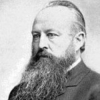
Lord Acton
John Emerich Edward Dalberg-Acton, 1st Baron Acton, KCVO DL—known as Sir John Dalberg-Acton, 8th Baronet from 1837 to 1869 and usually referred to simply as Lord Acton—was an English Catholic historian, politician, and writer. He was the only son of Sir Ferdinand Dalberg-Acton, 7th Baronet and a grandson of the Neapolitan admiral Sir John Acton, 6th Baronet. He is perhaps best known for the remark, "Power tends to corrupt, and absolute power corrupts absolutely. Great men are almost always bad...
NationalityBritish
ProfessionHistorian
Date of Birth10 January 1834
Neither an enlightened philosophy, nor all the political wisdom of Rome, nor even the faith and virtue of the Christians availed against the incorrigible tradition of antiquity. Something was wanted, beyond all the gifts of reflection and experience -- a faculty of self government and self control, developed like its language in the fibre of a nation, and growing with its growth.
Judge talent at its best and character at its worst.
From the absolute will of an entire people there is no appeal, no redemption, no refuge but treason.
The fate of every democracy, of every government based on the sovereignty of the people, depends on the choices it makes between these opposite principles, absolute power on the one hand, and on the other the restraints of legality and the authority of tradition.
Do not turn yourself from an end into a means-one does not justify the other.
The light that has guided us is still unquenched, and the causes that have carried us so far in the van of free nations have not spent their power; because the story of the future is written in the past, and that which hath been is the same thing that shall be.
The passion for power over others can never cease to threaten mankind, and is always sure of finding new and unforseen allies in continuing its martyrology.
If the past has been an obstacle and a burden, knowledge of the past is the safest and the surest emancipation.
Progress, the religion of those who have none.
The common vice of democracy is disregard for morality.
There are many things the government cant do, many good purposes it must renounce. It must leave them to the enterprise of others. It cannot feed the people. It cannot enrich the people. It cannot teach the people. It cannot convert the people.
Power tends to corrupt and absolute power corrupts absolutely. Great men are almost always bad men, even when they exercise influence and not authority: still more when you superadd the tendency or the certainty of corruption by authority.
Liberty is the prevention of control by others. This requires self-control and, therefore, religious and spiritual influences; education, knowledge, well-being.
Opinions alter, manners change, creeds rise and fall, but the moral laws are written on the table of eternity.