Lord Acton
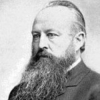
Lord Acton
John Emerich Edward Dalberg-Acton, 1st Baron Acton, KCVO DL—known as Sir John Dalberg-Acton, 8th Baronet from 1837 to 1869 and usually referred to simply as Lord Acton—was an English Catholic historian, politician, and writer. He was the only son of Sir Ferdinand Dalberg-Acton, 7th Baronet and a grandson of the Neapolitan admiral Sir John Acton, 6th Baronet. He is perhaps best known for the remark, "Power tends to corrupt, and absolute power corrupts absolutely. Great men are almost always bad...
NationalityBritish
ProfessionHistorian
Date of Birth10 January 1834
Piety sometimes gives birth to scruples, and faith to superstition, when they are not directed by wisdom and knowledge.
Monarchy hardens into despotism. Aristocracy contracts into oligarchy. Democracy expands into the supremacy of numbers.
Many things are better for silence than for speech: others are better for speech than for stationery.
In England Parliament is above the law. In America the law is above Congress.
The epoch of doubt and transition during which the Greeks passed from the dim fancies of mythology to the fierce light of science was the age of Pericles, and the endeavour to substitute certain truth for the prescriptions of impaired authorities, which was then beginning to absorb the energies of the Greek intellect, is the grandest movement in the profane annals of mankind, for to it we owe, even after the immeasurable progress accomplished by Christianity, much of our philosophy and far the better part of the political knowledge we possess.
Be generous before you are just. Do not temper mercy with justice.
Every error pronounces judgment on itself when it attempts to apply its rules to the standard of truth.
Absolute power demoralizes.
A man can be trusted only up to low-water mark.
The State is competent to assign duties and draw the line between good and evil only in its immediate sphere. Beyond the limits of things necessary for its well-being, it can only give indirect help to fight the battle of life by promoting the influences which prevail against temptation--religion, education, and the distribution of wealth.
A history that should pursue all the subtle threads from end to end might be eminently valuable, but not as a tribute to peace and conciliation.
When the last of the Reformers died, religion, instead of emancipating the nations, had become an excuse for the criminal art of despots. Calvin preached, and Bellarmine lectured; but Machiavelli reigned.
I have reached the end of my time, and have hardly come to the beginning of my task.
The idea that the object of constitutions is not to confirm the predominance of any interest, but to prevent it; to preserve with equal care the independence of labour and the security of property; to make the rich safe against envy, and the poor against oppression, marks the highest level attained by the statesmanship of Greece.