Lucy Stone
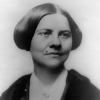
Lucy Stone
Lucy Stonewas a prominent American orator, abolitionist, and suffragist, and a vocal advocate and organizer promoting rights for women. In 1847, Stone became the first woman from Massachusetts to earn a college degree. She spoke out for women's rights and against slavery at a time when women were discouraged and prevented from public speaking. Stone was known for using her maiden name after marriage, as the custom was for women to take their husband's surname...
NationalityAmerican
ProfessionCivil Rights Leader
Date of Birth13 August 1818
CityWest Brookfield, MA
CountryUnited States of America
The great majority of women are more intelligent, better educated, and far more moral than multitudes of men whose right to vote no man questions.
I think God rarely gives to one man, or one set of men, more than one great moral victory to win.
It is time we gave man faith in woman -- and, still more, woman faith in herself.
Oh, I wish it were in my power to put men in the place of fashionable women for one six months! They should curl their hair, consult the milliner, make spongecake, do a little embroidery, wear long skirts, and dress so tightly that they could scarcely breathe.
To make the public sentiment, on the side of all that is just and true and noble, is the highest use of life.
The press, many-tongued, surpassed itself in reproaches upon these women who had so far departed from their sphere as to speak in public.
I was a woman before I was an abolitionist. I must speak for the women.
It is not quite the same when we are seventy-two as when we are twenty-seven; still I am glad of what is left, and wish we might both hold out till the victory we have sought is won, but all the same the victory is coming. In the aftertime the world will be the better for it.
The idea of equal rights was in the air.
Every new truth has its birth-place in a manger, lives thirty years, is crucified, and then deified.
Our victory is sure to come, and I can endure anything but recreancy to principle.
But I do believe that a woman's truest place is in a home, with a husband and with children, and with large freedom, pecuniary freedom, personal freedom, and the right to vote
Henceforth the leaves of the tree of knowledge were for women, and for the healing of the nations.
We want rights. The flour merchant, the house-builder, and the postman charge us no less on account of our sex; but when we endeavor to earn money to pay all these, then, indeed, we find the interest.