Marcus Aurelius
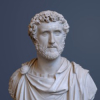
Marcus Aurelius
Marcus Aureliuswas Roman Emperor from 161 to 180. He ruled with Lucius Verus as co-emperor from 161 until Verus' death in 169. Marcus Aurelius was the last of the so-called Five Good Emperors. He was a practitioner of Stoicism, and his untitled writing, commonly known as the Meditations of Marcus Aurelius, is the most significant source of our modern understanding of ancient Stoic philosophy...
NationalityRoman
ProfessionPolitician
Date of Birth26 April 121
CityRome, Italy
world forgotten
Soon you will have forgotten the world, and soon the world will have forgotten you.
men littles gods-will
Do you see what little is required of a man to live a well-tempered and god-fearing life? Obey these precepts, and the gods will ask nothing more.
amount hundred man misfortune reading satisfied satisfy
No amount of misfortune will satisfy the man who is not satisfied with reading a hundred epigrams
care vex
It is not right to vex ourselves at things, for they care not about it.
peace avenging doers
The best way of avenging thyself is not to become like the wrong-doer.
light justice shining
Does the light of the lamp shine without losing its splendour until it is extinguished; and shall the truth which is in thee and justice and temperance be extinguished before thy death?
art space decay
The universal nature has no external space; but the wondrous part of her art is that though she has circumscribed herself, everything which is within her which appears to decay and to grow old and to be useless she changes into herself, and again makes other new things from these very same, so that she requires neither substance from without nor wants a place into which she may cast that which decays. She is content then with her own space, and her own matter, and her own art.
art simple years
Enough of this wretched life and murmuring and apish tricks. Why art thou disturbed? What is there new in this? What unsettles thee? Is it the form of the thing? Look at it. Or is it the matter? Look at it. But besides these there is nothing. Towards the gods, then, now become at last more simple and better. It is the same whether we examine these things for a hundred years or three.
art men errors
When thou art offended at any man's fault, forthwith turn to thyself and reflect in what manner thou doest error thyself... For by attending to this thou wilt quickly forget thy anger, if this consideration is also added, that the man is compelled; for what else could he do? or, if thou art able, take away from him the compulsion.
art philosophy history
Nature in no case cometh short of art, for the arts are copiers of natural forms.
art destiny thinking
Think of the universal substance, of which thou has a very small portion; and of universal time, of which a short and indivisible interval has been assigned to thee; and of that which is fixed by destiny, and how small a part of it thou art
art smell mouths
Art thou angry with him whose armpits stink? Art thou angry with him whose mouth smells foul?
art metamorphosis corruption
Everything is in a state of metamorphosis. Thou thyself art in everlasting change and in corruption to correspond; so is the whole universe.
art men life-is
Consider when thou art much vexed or grieved, that man's life is only a moment, and after a short time we are all laid out dead.