Matsuo Basho
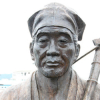
Matsuo Basho
Matsuo Bashō, born 松尾 金作, then Matsuo Chūemon Munefusa, was the most famous poet of the Edo period in Japan. During his lifetime, Bashō was recognized for his works in the collaborative haikai no renga form; today, after centuries of commentary, he is recognized as the greatest master of haiku. Matsuo Bashō's poetry is internationally renowned; and, in Japan, many of his poems are reproduced on monuments and traditional sites. Although Bashō is justifiably famous in the West for his...
NationalityJapanese
ProfessionPoet
CountryJapan
The basis of art is change in the universe.
Now the swinging bridge Is quieted with creepers ... Like our tendrilled life.
Sabi is the color of haikai. It is different from tranquility. For example, if an old man dresses up in armor and helmet and goes to the battlefield, or in colorful brocade kimono, attending (his lord) at a banquet, [sabi] is like this old figure.
A weathered skeleton in windy fields of memory, piercing like a knife.
No matter where your interest lies, you will not be able to accomplish anything unless you bring your deepest devotion to it.
Twilight whippoorwill... Whistle on, sweet deepener Of dark loneliness
Without the bitterest cold that penetrates to the very bone, how can plum blossoms send forth their fragrance to the whole world?
When I speak My lips feel cold - The autumn wind.