Maurice Maeterlinck
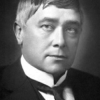
Maurice Maeterlinck
Maurice Polydore Marie Bernard MaeterlinckMaeterlinck from 1932; in Belgium, in France; 29 August 1862 – 6 May 1949) was a Belgian playwright, poet, and essayist who was a Fleming, but wrote in French. He was awarded the Nobel Prize in Literature in 1911 "in appreciation of his many-sided literary activities, and especially of his dramatic works, which are distinguished by a wealth of imagination and by a poetic fancy, which reveals, sometimes in the guise of a fairy...
NationalityBelgian
ProfessionPlaywright
Date of Birth29 August 1862
CountryBelgium
Silence is the element in which great things fashion themselves.
The manner in which the hours of freedom are spent determines, no less than labor and war, the moral worth of a nation.
The decent moderation of today will be the least of human things tomorrow. At the time of the Spanish Inquisition, the opinion of good sense and of the good medium was certainly that people ought not to burn too large a number of heretics; extreme and unreasonable opinion obviously demanded that they should burn none at all.
To have known how to change the past into a few saddened smiles-is this not to master the future?
In the world which we know, among the different and primitive geniuses that preside over the evolution of the several species, there exists not one, excepting that of the dog, that ever gave a thought to the presence of man.
Men's weaknesses are often necessary to the purposes of life.
And on this earth of ours there are but few souls that can withstand the dominion of the soul that has suffered itself to become beautiful.
At every crossroads on the path that leads to the future, tradition has placed 10,000 men to guard the past.
Each man has to seek out his own special aptitude for a higher life in the midst of the humble and inevitable reality of daily existence. Than this, there can be no nobler aim in life.