Ovid
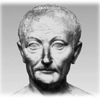
Ovid
Publius Ovidius Naso, known as Ovid in the English-speaking world, was a Roman poet who lived during the reign of Augustus. He was a contemporary of the older Virgil and Horace with whom he is often ranked as one of the three canonical poets of Latin literature. The Imperial scholar Quintilian considered him the last of the Latin love elegists. He enjoyed enormous popularity, but, in one of the mysteries of literary history, he was sent by Augustus into exile...
NationalityRoman
ProfessionPoet
appreciation may covetousness
Few love what they may have.
good-luck lucky-day hook
Luck affects everything; let your hook always be cast.
marriage matrimony equal
If thou wouldst marry wisely, marry thine equal.
judging facts duty
The judge's duty is to inquire about the time, as well as the facts.
self-love understanding would-be
If it were in my power, I would be wiser; but a newly felt power carries me off in spite of myself; love leads me one way, my understanding another.
ruins constitution idleness
Idleness ruins the constitution
habit made customs
Habit had made the custom.
guilt difficult betray
Alas! How difficult it is to prevent the countenance from betraying guilt!
mean love-is age
Truly now is the golden age; the highest honour comes by means of gold; by gold love is procured.
anger men becoming
Fair peace is becoming to men; fierce anger belongs to beasts.
marriage memories equal
If you would marry suitably, marry your equal.
broken-heart grief tears
It is some relief to weep; grief is satisfied and carried off by tears.
crazy believe should
It's useful that there should be Gods, so let's believe there are.
sick mind suffering
The mind is sicker than the sick body; in contemplation of its sufferings it becomes hopeless. [Lat., Corpore sed mens est aegro magis aegra; malique In circumspectu stat sine fine sui.]