Ovid
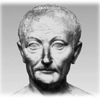
Ovid
Publius Ovidius Naso, known as Ovid in the English-speaking world, was a Roman poet who lived during the reign of Augustus. He was a contemporary of the older Virgil and Horace with whom he is often ranked as one of the three canonical poets of Latin literature. The Imperial scholar Quintilian considered him the last of the Latin love elegists. He enjoyed enormous popularity, but, in one of the mysteries of literary history, he was sent by Augustus into exile...
NationalityRoman
ProfessionPoet
helping fallen
It is a kingly act to help the fallen.
silence matter faults
It is but a small merit to observe silence, but it is a grave fault to speak of matters on which we should be silent.
bears prosperity easy
It is not easy to bear prosperity unruffled.
together dignity
Love and dignity do not dwell together.
milk produce crops
Our neighbour's crop is always more fruitful and his cattle produce more milk than our own.
events judged
The act is judged of by the event.
beauty doors age
Beauty, if you do not open your doors, takes age from lack of use.
granted pleasure duty
The pleasure that is granted to me from a sense of duty ceases to be a pleasure at all.
believe mean dying
Nothing in the entire universe ever perishes, believe me, but things vary, and adopt a new form. The phrase being born is used for beginning to be something different from what one was before, while dying means ceasing to be the same. Though this thing may pass into that, and that into this, yet the sums of things remains unchanged.
speak cures
It is some alleviation to ills we cannot cure to speak of them.
daring unsafe
Against the bold, daring is unsafe.
art lying deception
Art lies by its own artifice.
love-is born idleness
Love is born of idleness and, once born, by idleness is fostered.
greed gold tongue
I could not possibly count the gold-digging ruses of women, Not if I had ten mouths, not if I had ten tongues.