Peter Thiel
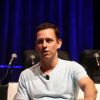
Peter Thiel
Peter Andreas Thielis a German-American entrepreneur, venture capitalist and hedge fund manager. Thiel co-founded PayPal with Max Levchin and Elon Musk and served as its CEO. He also co-founded Palantir, of which he is chairman. He was the first outside investor in Facebook, the popular social-networking site, with a 10.2% stake acquired in 2004 for $500,000, and sits on the company's board of directors...
NationalityAmerican
ProfessionEntrepreneur
Date of Birth11 October 1967
CountryUnited States of America
I think competition can make people stronger at whatever it is they're competing on. If we're competing in some athletic event for competitive swimmers, really intensely competing, it's likely that both of us will become better, but it's also quite possible we'll lose sight of what's truly valuable.
People are spending way too much time thinking about climate change, way too little thinking about AI.
I suspect if people live a lot longer they would be retired for a somewhat longer period of time. Just the financial planning takes on a very different character.
My only claim is that not all talented people should go to college and not all talented people should do the exact same thing.
All of us have to work toward a definite future... that can motivate and inspire people to change the world.
Whenever I talk to people who founded a company, I often like to ask the prehistory questions 'When did you meet? How long have you been working before you started the company?' A bad answer is, 'We met at a networking event a week ago, and we started a company because we both want to be entrepreneurs.'
Seventy percent of the planet is covered with water, and there's so much we can be doing with oceans, and it was one of the frontiers that people have more or less abandoned.
Every time you write an email, it is in the public domain. There are all these ways where security is not as good as people believe.
I think people in Europe are generally pessimistic about the future. They have low expectations; they're not working hard to change things. When you're a slacker with a pessimistic view of the future, you're likely to meet those expectations.
Properly defined, a startup is the largest group of people you can convince of a plan to build a different future.
I think it's always good for gay people to come out, but it's also understandable why people might choose not to do so.
There's always a sense that people will do things quite differently if they think they have privacy.
I believe that people are too complacent about technology.
Facebook succeeded because it was about real people having a presence on the Internet. There were all these other social networking sites people had, but they were all about fictional people.