Petrarch
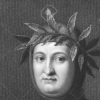
Petrarch
Francesco Petrarca, commonly anglicized as Petrarch, was an Italian scholar and poet in Renaissance Italy, and one of the earliest humanists. Petrarch's rediscovery of Cicero's letters is often credited for initiating the 14th-century Renaissance. Petrarch is often considered the founder of Humanism. In the 16th century, Pietro Bembo created the model for the modern Italian language based on Petrarch's works, as well as those of Giovanni Boccaccio, and, to a lesser extent, Dante Alighieri. Petrarch would be later endorsed as...
NationalityItalian
ProfessionPoet
Date of Birth20 July 1304
CityArezzo, Italy
CountryItaly
Who over-refines his argument brings himself to grief
What name to call thee by, O virgin fair, I know not, for thy looks are not of earth And more than mortal seems thy countenances
Each famous author of antiquity whom I recover places a new offence and another cause of dishonor to the charge of earlier generations, who, not satisfied with their own disgraceful barrenness, permitted the fruit of other minds, and the writings that their ancestors had produced by toil and application, to perish through insufferable neglect. Although they had nothing of their own to hand down to those who were to come after, they robbed posterity of its ancestral heritage.
And tears are heard within the harp I touch.
Who naught suspects is easily deceived.
How fortune brings to earth the over-sure!
The time will come when every change shall cease, This quick revolving wheel shall rest in peace: No summer then shall glow, not winter freeze; Nothing shall be to come, and nothing past, But an eternal now shall ever last.
Those spacious regions where our fancies roam, Pain'd by the past, expecting ills to come, In some dread moment, by the fates assign'd, Shall pass away, nor leave a rack behind; And Time's revolving wheels shall lose at last The speed that spins the future and the past: And, sovereign of an undisputed throne, Awful eternity shall reign alone.
Often have I wondered with much curiosity as to our coming into this world and what will follow our departure.
I rejoiced in my progress, mourned my weaknesses, and commiserated the universal instability of human conduct.
In my younger days I struggled constantly with an overwhelming but pure love affair - my only one, and I would have struggled with it longer had not premature death, bitter but salutary for me, extinguished the cooling flames. I certainly wish I could say that I have always been entirely free from desires of the flesh, but I would be lying if I did.
A short cut to riches is to subtract from our desires.
He loves but lightly who his love can tell.
I know and love the good, yet ah! the worst pursue.