Plautus
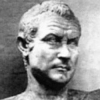
Plautus
Titus Maccius Plautus, commonly known as Plautus, was a Roman playwright of the Old Latin period. His comedies are the earliest Latin literary works to have survived in their entirety. He wrote Palliata comoedia, the genre devised by the innovator of Latin literature, Livius Andronicus. The word Plautine /ˈplɔːtaɪn/ refers to both Plautus's own works and works similar to or influenced by his...
NationalityRoman
ProfessionPlaywright
want ifs has-beens
If you squander on a holyday, you will want on a workday unless you have been sparing.
certain lost grasping
In grasping at uncertainties we lost that which is certain.
cheerful disposition advantage
In misfortune if you cultivate a cheerful disposition you will reap the advantage of it.
worst knows
It is best to know the worst at once.
wings difficult
It is difficult to fly without wings.
drink difficult
It is difficult to whistle and drink at the same time.
serious said treats
It is not fair to treat as serious that which is only said in joke.
vex shame endure
We can more easily endure that which shames than that which vexes us.
loss appreciate comfort
We only appreciate the comforts of life in their loss.
grief meals stores
You have eaten a meal dangerously seasoned. [You have laid up a grief in store for yourself.]
salt paint without-pain
A woman without paint is like food without salt.
blessing men
A man with courage has every blessing.
evil knows
The evil that we know is best.
substance fool too-late
The fool too late, his substance eaten up, reckons the cost.