Plautus
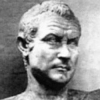
Plautus
Titus Maccius Plautus, commonly known as Plautus, was a Roman playwright of the Old Latin period. His comedies are the earliest Latin literary works to have survived in their entirety. He wrote Palliata comoedia, the genre devised by the innovator of Latin literature, Livius Andronicus. The word Plautine /ˈplɔːtaɪn/ refers to both Plautus's own works and works similar to or influenced by his...
NationalityRoman
ProfessionPlaywright
men young modest
It well becomes a young man to be modest.
law customs subordinates
Laws are subordinate to custom.
men delay world
Property is unstable, and youth perishes in a moment. Life itself is held in the grinning fangs of Death, Yet men delay to obtain release from the world. Alas, the conduct of mankind is surprising.
forgiveness love-is forgiving
To love is human, it is also human to forgive.
friends speak absent-mindedness
Never speak ill of an absent friend.
knowledge wells knows
It is well for one to know more than he says
life hungry faith-in-love
He that is in love, faith, if he be hungry, is not hungry at all.
life taste bitterness
Love has both its gall and honey in abundance: it has sweetness to the taste, but it presents bitterness also to satiety.
life gold weight
Find me a reasonable lover against his weight in gold.
friendship needs friend-in-need
He is a friend indeed who proves himself a friend in need.
marriage mines
What is yours is mine, and all mine is yours.
love-is spices dishes
Spice a dish with love and it pleases every palate.
easier ends
It is much easier to begin than to end.
sheep conflict far-away
Where there are sheep, the wolves are never very far away.