Plutarch
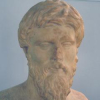
Plutarch
Plutarch; c. AD 46 – AD 120) was a Greek historian, biographer, and essayist, known primarily for his Parallel Lives and Moralia. He is classified as a Middle Platonist. Plutarch's surviving works were written in Greek, but intended for both Greek and Roman readers...
NationalityGreek
ProfessionPhilosopher
wise fighting men
Water and our necessary food are the only things that wise men must fight for.
greatness giving mind
Good fortune will elevate even petty minds, and give them the appearance of a certain greatness and stateliness, as from their high place they look down upon the world; but the truly noble and resolved spirit raises itself, and becomes more conspicuous in times of disaster and ill fortune.
extravagance poverty poor
Poverty is not dishonorable in itself, but only when it comes from idleness, intemperance, extravagance, and folly.
usual envious consolation
It is the usual consolation of the envious, if they cannot maintain their superiority, to represent those by whom they are surpassed as inferior to some one else.
enemy important
It was not important how many enemies there are, but where the enemy is
needs youth pleasure
The ripeness of adolescence is prodigal in pleasures, skittish, and in need of a bridle.
perseverance fall stones
The drop hollows out the stone not by strength, but by constant falling.
sea land secret
He (Cato) used to say that in all his life he never repented but of three things. The first was that he had trusted a woman with a secret; the second that he had gone by sea when he might have gone by land; and the third, that had passed one day without having a will by him.
wife done bed
As to Caesar, when he was called upon, he gave no testimony against Clodius, nor did he affirm that he was certain of any injury done to his bed. He only said, He had divorced Pompeia because the wife of Caesar ought not only to be clear of such a crime, but of the very suspicion of it.
wife trials cases
Julius Caesar divorced his wife Pompeia, but declared at the trial that he knew nothing of what was alleged against her and Clodius. When asked why, in that case, he had divorced her, he replied: Because I would have the chastity of my wife clear even of suspicion.
traitor hated treason
He [Caesar] loved the treason, but hated the traitor.
beautiful men speech
Themistocles replied that a man's discourse was like to a rich Persian carpet, the beautiful figures and patterns of which can only be shown by spreading and extending it out; when it is contracted and folded up, they are obscured and lost.
women character distinction
It is a high distinction for a homely woman to be loved for her character rather than for beauty.
divine lost incredulity
Knowledge of divine things for the most part, as Heraclitus says, is lost to us by incredulity.