Randy Carlyle
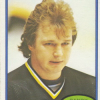
Randy Carlyle
Randolph Robert Carlyleis a Canadian former professional ice hockey player. He is currently the head coach of the National Hockey League's Anaheim Ducks and formerly the head coach of the Toronto Maple Leafs. He was raised in Azilda, just northwest of Sudbury, Ontario. He won the Stanley Cup in 2007 with the Ducks during his first stint with the team. As a player, Carlyle dressed for over 1000 games between the Toronto Maple Leafs, Pittsburgh Penguins and Winnipeg Jets, winning...
ProfessionCoach
Date of Birth19 April 1956
CityGreater Sudbury, Canada
We really stayed with our work ethic. Our players seem to enjoy that.
I thought we deserved a better fate, but we didn't get it. There is no use worrying about it. We can't change it.
I thought we didn't play 60 minutes, we played about 50 minutes.
We got down early but found a way to claw back. The one thing that this group has demonstrated all year is resiliency.
We got beat by a very special player. He did everything he had to do to dominate the game in the goal-scoring department. He's a dominant young player. He's the real deal.
We had more structure, but our penalty parade took us out of the hockey game. You can't continually give teams the quality of Dallas power plays. They made us pay.
We had lots of energy early. Lots of things went our way.
Our players deserve the credit. They took the responsibility. We got down 3-1, we battled back. We found a way.
Robby said that he felt that he didn't even touch it. He thought it was there and it went off their player. That's why he was confident, when he came to the bench, that they were going to allow the goal.
It does stretch the road trip out because then we go to Ottawa and sit there for two days before we play again, but we felt it was one of those things we should do.
I think he fit in with our hockey club. Tonight we weren't good enough.
I thought it was a masterpiece. It was a game where we were able to get things going in a positive direction after the first shift. We had a few miscues and we took a penalty right off the bat, but we were able to regroup and get enough pucks past their goaltenders.
I think in these situations, the player tells you what's going on. We understand that it's not ideal. He says his pain tolerance is bearable, and we'll continue to go on. Obviously, it's something he's willing to put aside at this point. You have to support the decision that he makes.
We've got to find ways to win rather than finding ways to lose.