Rem Koolhaas
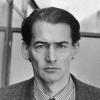
Rem Koolhaas
Remment Lucas "Rem" Koolhaasis a Dutch architect, architectural theorist, urbanist and Professor in Practice of Architecture and Urban Design at the Graduate School of Design at Harvard University. Koolhaas studied at the Architectural Association School of Architecture in London and at Cornell University in Ithaca, New York. Koolhaas is the founding partner of OMA, and of its research-oriented counterpart AMO based in Rotterdam, the Netherlands. In 2005, he co-founded Volume Magazine together with Mark Wigley and Ole Bouman...
NationalityDutch
ProfessionArchitect
Date of Birth17 November 1944
CityRotterdam, Netherlands
Architecture is a dangerous mix of power and importance.
We say we want to create beauty, identity, quality, singularity. And yet, maybe in truth these cities that we have are desired. Maybe their very characterlessness provides the best context for living.
As an architect, I always have mixed feelings. On the one hand, your fingers are itching. As a human being, you are happy to participate in the indolence.
Architecture is a rare collective profession: it's always exercised by groups. There is an essential modesty, which is a complete contradiction to the notion of a star.
Escape from the architecture ghetto is one of the major drivers and has been from the very beginning.
We live in an almost perfect stillness and work with incredible urgency.
Designs are increasingly winning competitions because they are literally green, and because somewhere they feature a small windmill.
Prada is extremely directed in terms of communicating what they like and what they don't like. That is actually extremely pleasant because it clarifies very easily what you can do and what you need to do.
The people from the suburbs are bringing along their suburban values: cleanliness, orderliness, safety - dullness, in other words. As a result, urban areas are being hollowed out. Just look at Times Square in New York. No more sex shops, no drugs, no homeless people. The area is clinically clean and incredibly dull.
Criticism per se does not worry me. I've always solicited it as part of the design process.
The acceptance of certain realities doesn't preclude idealism. It can lead to certain breakthroughs.
The thing is that I have a really intense, almost compulsive need to record. But it doesn't end there, because what I record is somehow transformed into a creative thing. There is a continuity. Recording is the beginning of a conceptual production. I am somehow collapsing the two - recording and producing - into a single event.
Our office acts like a kind of educational establishment and we are very careful who we educate.
Infrastructure is much more important than architecture.