Robert Atkins
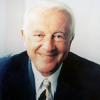
Robert Atkins
Robert Coleman Atkinswas an American physician and cardiologist, best known for the "Atkins Nutritional Approach", or "Atkins Diet", a popular but controversial way of eating that requires close control of carbohydrate consumption, emphasizing protein and fat as the primary sources of dietary calories in addition to a controlled number of carbohydrates from vegetables. Although the success of Atkins' diet plan, weightloss books, and lifestyle company, Atkins Nutritionals, led Time to name the doctor one of the ten most influential people...
NationalityAmerican
ProfessionScientist
Date of Birth17 October 1930
CountryUnited States of America
Everyone would be healthier if they didn't eat junk food.
Most fats are healthy, but those called trans-fats, such as margarine, fall into that category.
I think that if a person wants to remain vegetarian, they're just going to have to go hungry.
My patient population has a low recidivism rate, but if they haven't made up their minds that it is permanent, then of course, they will fail.
When I meet vegetarians who might have diabetes, pre-diabetes or massive obesity, I tell them they would be better off if they gave up their Vegetarianism.
I weighed 193 pounds and had three chins. I couldn't get up before 9 a.m. and never saw patients before 10. I decided to go on a diet.
Essiac is a therapeutic tea that all cancer patients can benefit from.
A diet should be named after what you do eat, not what you don't eat.
There are many, many people who have lost 100 pounds and kept it off.
What is the explanation for the blind eye that has been turned on the flood of medical reports on the causative role of carbohydrates in overweight, ever since the publication in 1864 of William Banting's famous "Letter on Corpulence"? Could it be related, in part, to the vast financial endowments poured into the various departments of nutritional education by the manufacturers of our refined carbohydrate foodstuff?
A controlled carbohydrate lifestyle really prevents risk factors for heart disease.
Fruit is definitely on the maintenance diet. It's on the lifestyle diet.
There is not one, but many cures for cancer available. But they are all systematically suppressed by the ACS, the NCI, and the major oncology centres. They have too much of an interest in the status quo.
How much obesity has to be created in a single decade for people to realize that diet has to be responsible for it?