Samuel Butler
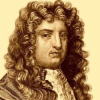
Samuel Butler
Samuel Butlerwas an iconoclastic Victorian-era English author who published a variety of works. Two of his most famous pieces are the Utopian satire Erewhon and a semi-autobiographical novel published posthumously, The Way of All Flesh. He is also known for examining Christian orthodoxy, substantive studies of evolutionary thought, studies of Italian art, and works of literary history and criticism. Butler made prose translations of the Iliad and Odyssey, which remain in use to this day...
NationalityBritish
ProfessionPoet
Date of Birth4 December 1835
We are not won by arguments that we can analyze but by the tone and temper, by the manner which is the man himself
To himself every one is an immortal. He may know that he is going to die, but he can never know that he is dead.
Every man's work, whether it be literature or music or pictures or architecture or anything else, is always a portrait of himself
Every man's work, whether it be literature or music or pictures or anything else, is always a portrait of himself, and the more he tries to conceal himself the more clearly will his character appear in spite of him.
The thief. Once committed beyond a certain point he should not worry himself too much about not being a thief any more. Thieving is God's message to him. Let him try and be a good thief.
People are lucky and unlucky...according to the ratio between what they get and what they have been led to expect.
It has beeen said that the love of money is the root of all evil. The want of money is so quite as truly.
Such as take lodgings in a head that's to be let unfurnished.
Some men love truth so much that they seem in continual fear lest she should catch cold on over-exposure.
The dead being the majority, it is natural that we should have more friends among them than among the living.
Vaccination is the medical sacrament corresponding to baptism.
Oaths are but words, and words are but wind.
A friend who cannot at a pinch remember a thing or two that never happened is as bad as one who does not know how to forget.
If life must not be taken too seriously, then so neither must death.