Steve Lacy
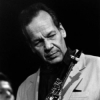
Steve Lacy
Steve Lacy, born Steven Norman Lackritz in New York City, was a jazz saxophonist and composer recognized as one of the important players of soprano saxophone. Coming to prominence in the 1950s as a progressive Dixieland musician, Lacy went on to a long and prolific career. He worked extensively in experimental jazz and to a lesser extent in free improvisation, but Lacy's music was typically melodic and tightly-structured. Lacy also became a highly distinctive composer, with compositions often built out...
NationalityAmerican
ProfessionMusician
Date of Birth23 July 1934
CountryUnited States of America
When I found the music of Monk I finally found music that fit that horn. Every one of his tunes fit it perfectly.
The saxophone is a very interesting machine, but I'm more interested in music.
Register is very important. Music sounds best in a certain register.
Nobody was playing the soprano saxophone and certainly nobody was trying to do anything with it. So I was all alone. I didn't know that at first.
I wanted to be a pianist but it just wasn't my thing. I guess I wanted to stand up rather than sit down.
I started in New Orleans music and played all through the history of jazz.
Circumstances can be very important. Find the right people to work with.
Saxophone is one thing, and music is another.
Play difficult and interesting things. If you play boring things, you risk losing your appetite. Saxophone can be tedious with too much of the same.
Make the drummer sound good.
The soprano has all those other instruments in it. It's got the soprano song voice, flute, violin, clarinet, and tenor elements and can even approach the baritone in intensity.
What I learned with Cecil Taylor was strategy and survival and how to resist temptations and resist getting discouraged.
It's very important to go through periods where you sound just rotten and you know it, and you have to persevere or give up.
If you listen to Louis Armstrong from 1929, you will never hear anything better than that really, and you will never hear anything more free than that.