Thomas a Kempis
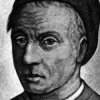
Thomas a Kempis
Thomas à Kempis, C.R.S.A.; c. 1380 – 25 July 1471) was a Dutch canon regular of the late medieval period and the author of The Imitation of Christ, one of the most popular and best known Christian books on devotion. His name means Thomas "of Kempen", his hometown, and in German he is known as Thomas von Kempen. He also is known by various spellings of his family name: Thomas Haemerken; Thomas Hammerlein; Thomas Hemerken and Thomas Hämerken...
NationalityGerman
ProfessionClergyman
CountryGermany
inspirational motivational men
In judging others a man laboreth in vain; he often erreth, and easily falleth into sin; but in judging and examining himself he always laboreth to good purpose.
justice neighbor zeal
Have therefore zeal to better thyself and then mayst thou have zeal to thy neighbor.
kings adversity men
There is no man in this world without some manner of tribulation or anguish, though he be king or pope.
bears crosses ifs
If you bear the cross gladly, it will bear you.
greatness men esteem
Is a man one whit the better because he is grown great in other men's esteem?
art identity said
What thou art, that thou art; that God knoweth thee to be and thou canst be said to be no greater.
men judgment every-man
Such as every man is inwardly so he judgeth outwardly.
knowledge people littles
Forasmuch as many people study more to have knowledge than to live well therefore ofttimes they err and bring forth little fruit or none.
god humble humility
A humble knowledge of ourselves is a surer way to God than is the search for depth of learning.
opinion interfere
Do not interfere when your opinion is not sought.
jesus finding-yourself ruins
If you seek Jesus in all things you will surely find Jesus. And if you seek yourself, you will surely find yourself, but only to your ruin.
love-is light bears
Love is a great thing, yea, a great and thorough good. By itself it makes what is heavy light; and bears evenly all that is uneven.
peace peace-and-happiness labor
Peace and happiness are what you covet, but these are only to be obtained by labor.
love deeds doe
He does much who loves God much, and he does much who does his deed well, and he does his deed well who does it rather for the common good than for his own will.