W. E. B. Du Bois
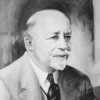
W. E. B. Du Bois
William Edward Burghardt "W. E. B." Du Boiswas an American sociologist, historian, civil rights activist, Pan-Africanist, author, and editor. Born in Great Barrington, Massachusetts, Du Bois grew up in a relatively tolerant and integrated community. After completing graduate work at the University of Berlin and Harvard, where he was the first African American to earn a doctorate, he became a professor of history, sociology and economics at Atlanta University. Du Bois was one of the co-founders of the National Association for the Advancement...
NationalityAmerican
ProfessionWriter
Date of Birth23 February 1868
CountryUnited States of America
One thing alone I charge you. As you live, believe in life! Always human beings will live and progress to greater, broader and fuller life. The only possible death is to lose belief in this truth simply because the great end comes slowly, because time is long.
I believe that all men, black, brown, and white, are brothers.
For education among all kinds of men always has had, and always will have, an element of danger and revolution, of dissatisfaction and discontent.
A classic is a book that doesn't have to be written again.
Education is that whole system of human training within and without the school house walls, which molds and develops men.
All men cannot go to college but some men must; every isolated group or nation must have its yeast, must have for the talented few centers of training where men are not so mystified and befuddled by the hard and necessary toil of earning a living, as to have no aims higher than their bellies, and no God greater than Gold.
Actively we have woven ourselves with the very warp and woof of this nation-we have fought their battles, shared their sorrow, mingled our blood with theirs, and generation after generation have pleaded with a headstrong, careless people to despise not Justice, Mercy and Truth, lest the nation be smitten with a curse. Our song, our toil, our cheer and warning have been given to this nation in blood brotherhood. Are not these gifts worth the giving? Is not this worth the striving? Would America have been America without her Negro People?
Would America have been America without her Negro people?
Believe in life! Always human beings will live and progress to greater, broader, and fuller life.
The function of the university is not simply to teach breadwinning, or to furnish teachers for the public schools, or to be a centre of polite society; if is, above all, to be the organ of that fine adjustment between real life and the growing knowledge of life, an adjustment from which forms the secret of civilization.
So often do you see collegians enter life with high resolve and lofty purpose and then watch them shrink and shrink to sordid, selfish, shrewd plodders, full of distrust and sneers.
The world is shrinking together; it is finding itself neighbor to itself in strange, almost magic degree.
As Negro voting increased, Congress got an improved sense of hearing.
Lord of the springtime, Father of flower, field and fruit, smile on us in these earnest days when the work is heavy and the toil wearisome; lift up our hearts, O God, to the things worthwhile-sunshine and night, the dripping rain, the song of the birds, books and music, and the voices of our friends. Lift up our hearts to these this night and grant us Thy peace. Amen.